Planning a perfect visit to the Golden State can feel overwhelming with so many choices. This travel guide shares personal insights from my recent adventure to help you navigate the hills with ease.
You will explore the deep history of Alcatraz and taste the legendary sourdough at Fisherman’s Wharf. This area provides a great start for any traveler wanting to see the bay.
The city offers a vibrant mix of colorful culture and stunning views that will leave you breathless. You will find that every corner holds a new surprise, ranging from hidden stairways to bustling city markets.
From riding the iconic cable cars to exploring lush gardens, there are many things to do in San Francisco. Whether you love modern art or fresh seafood, this curated plan ensures you see the best landmarks.
This short trip covers the essential spots for any newcomer to the region. You will discover why this destination remains a favorite for people across the globe.
Follow this plan to make the most of your adventure while soaking amidst the unique local atmosphere. You will leave with memories that last a lifetime.
Key Takeaways
- Explore famous landmarks like the Golden Gate Bridge and Alcatraz Island.
- Enjoy fresh local flavors including Dungeness crab and authentic sourdough bread.
- Ride the historic cable cars to experience the city’s unique charm.
- Visit diverse neighborhoods such as the Mission District and Chinatown.
- Wear comfortable walking shoes and dress in layers for changing weather.
- Book tickets for popular historical sites well in advance of your arrival.
Planning Your Perfect 3 Days in San Francisco
To ensure a smooth and enjoyable trip to San Francisco, consider these planning tips. A well-planned itinerary can make all the difference in experiencing the best of what San Francisco has to offer.
Best Time to Visit San Francisco
San Francisco’s weather is known for being cool and foggy, especially in the summer months. The best time to visit San Francisco is during the early fall (September to November) when the weather is generally mild and sunny. This period is ideal for outdoor activities and sightseeing.
Here’s a breakdown of San Francisco’s climate throughout the year:
| Season | Weather | Recommended Activities |
|---|---|---|
| Spring (March to May) | Mild temperatures, occasional rain | Explore Golden Gate Park, visit Alcatraz |
| Summer (June to August) | Cool and foggy | Enjoy the beach, take a cable car ride |
| Fall (September to November) | Mild and sunny | Visit Fisherman’s Wharf, explore Chinatown |
| Winter (December to February) | Cool and rainy | Visit museums, enjoy indoor activities |
Booking Alcatraz Tickets in Advance
Alcatraz Island is one of San Francisco’s most popular attractions. To avoid long wait times, it’s essential to book Alcatraz tickets in advance. Tickets often sell out quickly, especially during peak travel seasons.
Tip: Plan to book your Alcatraz tickets at least a week in advance to ensure availability.
Understanding San Francisco’s Microclimates
San Francisco is known for its microclimates, which can make the weather vary significantly across different neighborhoods. Understanding these microclimates can help you pack accordingly and plan your day.
For example, the temperature in the Haight-Ashbury neighborhood can be quite different from the temperature at Fisherman’s Wharf. Be prepared for cooler temperatures near the waterfront and warmer temperatures inland.
Getting Around: Transportation Essentials for Your Trip
Navigating San Francisco is an adventure in itself, with a multitude of transportation options at your fingertips. San Francisco boasts a comprehensive public transportation system, making it easy to get around without a car.
Purchasing a Clipper Card or Muni Passport
For convenience and savings, consider purchasing a Clipper Card or a Muni Passport. A Clipper Card is a reusable card that can be loaded with cash value or a monthly pass, making it easy to ride various forms of public transportation, including buses, light rail, and cable cars. On the other hand, a Muni Passport provides unlimited rides on Muni buses, light rail, and historic streetcars for a fixed period.
When deciding between a Clipper Card and a Muni Passport, consider your travel plans. If you’re planning to use public transportation frequently, a Muni Passport might be the more economical choice. For more flexibility, a Clipper Card is ideal.
Cable Cars, Buses, and Rideshare Options
San Francisco is famous for its cable cars, which offer a historic and scenic way to explore the city. In addition to cable cars, an extensive network of buses covers most areas of the city. For shorter distances or when you prefer a more direct route, rideshare services are readily available.
Here’s a comparison of the transportation options:
| Transportation Mode | Convenience | Cost |
|---|---|---|
| Cable Cars | Historic, scenic | Higher cost per ride |
| Buses | Extensive coverage | Affordable |
| Rideshare | Direct, flexible | Variable cost |
| Clipper Card/Muni Passport | Convenient, saves time | Cost-effective for frequent use |

By understanding your transportation options, you can navigate San Francisco with ease, making the most of your trip.
Day 1: Golden Gate Bridge, Fisherman’s Wharf, and North Beach
On your first day in San Francisco, immerse yourself in the city’s iconic landmarks like the Golden Gate Bridge, the seafood-rich Fisherman’s Wharf, and the culturally rich North Beach. This day is designed to give you a taste of San Francisco’s history, culture, and entertainment.
Morning: Golden Gate Bridge and Fort Point
The morning of your first day is best spent exploring the Golden Gate Bridge and the historic Fort Point. The Golden Gate Bridge is an engineering marvel and one of the most photographed landmarks in the world. You can walk or bike across it for an unforgettable experience.
Walking or Biking Across the Iconic Bridge
Walking or biking across the Golden Gate Bridge offers breathtaking views of the San Francisco Bay, the city skyline, and the Pacific Ocean. Make sure to stop at the halfway point to take in the views and capture some memorable photos. The bridge is open to pedestrians and bicyclists, and bike rentals are available near the bridge’s southernmost point.

After visiting the Golden Gate Bridge, head to Fort Point, a Civil War-era fortress located directly beneath the bridge’s southern end. This historic site offers a unique glimpse into San Francisco’s military past and provides stunning views of the bridge from below. You can explore the fort’s walls, casemates, and museum to learn more about its history and significance.
As you continue your day, head towards Fisherman’s Wharf, where you can enjoy fresh seafood, street performers, and stunning views of the Bay. Don’t forget to check out Pier 39 and its famous sea lions. Later, make your way to North Beach, San Francisco’s oldest neighborhood, known for its Italian-American culture, cozy cafes, and vibrant nightlife.
Day 2: Alcatraz Island, Chinatown, and Cable Car Adventures
On your second day in San Francisco, embark on a journey through the city’s rich history and cultural diversity. The day is packed with exciting activities that will give you a deeper understanding of what makes San Francisco so unique.
Morning: Alcatraz Island Prison Tour
Start your day with a visit to Alcatraz Island, one of San Francisco’s most infamous attractions. To make the most of your visit, plan to arrive early at Pier 33, the departure point for Alcatraz Cruises.
Ferry Departure from Pier 33
The ferry to Alcatraz Island departs from Pier 33, located on The Embarcadero. Be sure to arrive with plenty of time to spare before your scheduled departure, as security checks are in place. The ferry ride offers stunning views of the San Francisco Bay and the city skyline.
Audio Tour of America’s Most Notorious Prison
Upon arrival on Alcatraz Island, you’ll receive an audio tour that guides you through the prison’s history and the stories of its former inmates. The tour is self-guided, allowing you to explore at your own pace. Take your time to absorb the history and significance of this former maximum-security prison.

After exploring Alcatraz, head to Chinatown, one of the largest and oldest Chinese communities outside of Asia. Take a stroll through the vibrant streets and experience the rich cultural heritage on display.
In the afternoon, take a ride on San Francisco’s iconic cable car, which offers a fun and historic way to see the city’s sights. You can catch the cable car at the beginning of the line on California Street or at the Powell-Mason line in Union Square.
As the day comes to a close, reflect on the diverse experiences you’ve had, from the haunting history of Alcatraz to the vibrant culture of Chinatown and the nostalgic charm of the cable car.
Day 3: Golden Gate Park, Mission District, and Ferry Building
On your final day in San Francisco, you’ll explore the city’s natural beauty, cultural attractions, and culinary delights. The day is packed with visits to Golden Gate Park, the vibrant Mission District, and the historic Ferry Building.
Golden Gate Park is a must-visit destination, offering a mix of natural landscapes and cultural institutions. As you enter the park, you’ll be greeted by the serene surroundings and numerous attractions that await your exploration.
Morning: Golden Gate Park’s Natural and Cultural Gems
Start your day by exploring the park’s natural and cultural gems. The park is home to several world-renowned attractions that are sure to captivate you.
California Academy of Sciences
One of the park’s crown jewels is the California Academy of Sciences, a natural history museum that features an aquarium, planetarium, and museum of natural history all under one living roof. As you explore the academy, you’ll encounter a diverse array of exhibits, including a rainforest and a coral reef.
The academy’s living roof is a unique feature, providing insulation and creating a habitat for local wildlife. It’s a great example of sustainable architecture and a must-see during your visit.
Japanese Tea Garden History and Serenity
Another serene spot within Golden Gate Park is the Japanese Tea Garden. This beautiful garden is a peaceful oasis, featuring intricately designed landscapes, koi ponds, and a teahouse. As you stroll through the garden, you’ll discover the rich history and cultural significance of this tranquil retreat.

After exploring Golden Gate Park, head to the Mission District, known for its vibrant culture and delicious cuisine. Be sure to check out some of the district’s famous murals and try some authentic Mexican food.
In the afternoon, visit the Ferry Building, a historic landmark that has been transformed into a culinary hub. You can sample local artisanal foods, explore the marketplace, and enjoy the waterfront views.
As you conclude your third day in San Francisco, you’ll have experienced the best of the city’s natural beauty, cultural attractions, and gastronomic delights.
San Francisco’s Iconic Foods You Must Try
The flavors of San Francisco are as diverse as its neighborhoods, offering a culinary adventure like no other. As you explore the city, you’ll discover that its iconic foods are not just delicious but also deeply rooted in its history and culture.
Sourdough Bread: A San Francisco Staple Since 1849
San Francisco’s sourdough bread is legendary, with a history dating back to the Gold Rush era. The unique flavor and texture are attributed to the city’s natural yeast culture, which has been cultivated since 1849. You can sample this San Francisco staple at Boudin Bakery, a historic bakery that’s been perfecting the recipe for over a century.
“Sourdough bread is not just a food item in San Francisco; it’s a piece of the city’s soul, a testament to its resilience and tradition.”
To experience the best of San Francisco’s sourdough, visit Fisherman’s Wharf, where you can enjoy a warm loaf straight from the oven. Don’t forget to try it with a bowl of creamy clam chowder for a quintessential San Francisco experience.

Dungeness Crab Season and Preparation
Dungeness crab is another San Francisco culinary icon, celebrated for its sweet and tender flesh. The season typically runs from November to June, with the peak season being from December to March. You can enjoy Dungeness crab in various preparations, from simple steamed dishes to complex seafood boils.
| Preparation Method | Description | Recommended Location |
|---|---|---|
| Steamed | Simple and flavorful, steamed Dungeness crab is a classic. | The Crab Shack at Pier 39 |
| Seafood Boil | A hearty mix of seafood including Dungeness crab, perfect for sharing. | Alioto’s |
| Crab Cioppino | A San Francisco twist on the classic Italian fish stew. | Tadich Grill |
When in San Francisco, be sure to try Dungeness crab at one of the many seafood restaurants along the waterfront. Whether you prefer it steamed with melted butter or as part of a seafood extravaganza, Dungeness crab is a culinary experience you won’t soon forget.
Essential Cultural Landmarks and Historic Sites
As you explore San Francisco, you’ll discover a plethora of cultural and historical attractions that make the city so unique. San Francisco’s rich history and cultural heritage are preserved in its many landmarks and historic sites.
These cultural landmarks not only reflect the city’s past but also contribute to its vibrant cultural scene. Visitors can experience the city’s history firsthand by visiting some of its most iconic sites.
Painted Ladies and Alamo Square Victorian Architecture
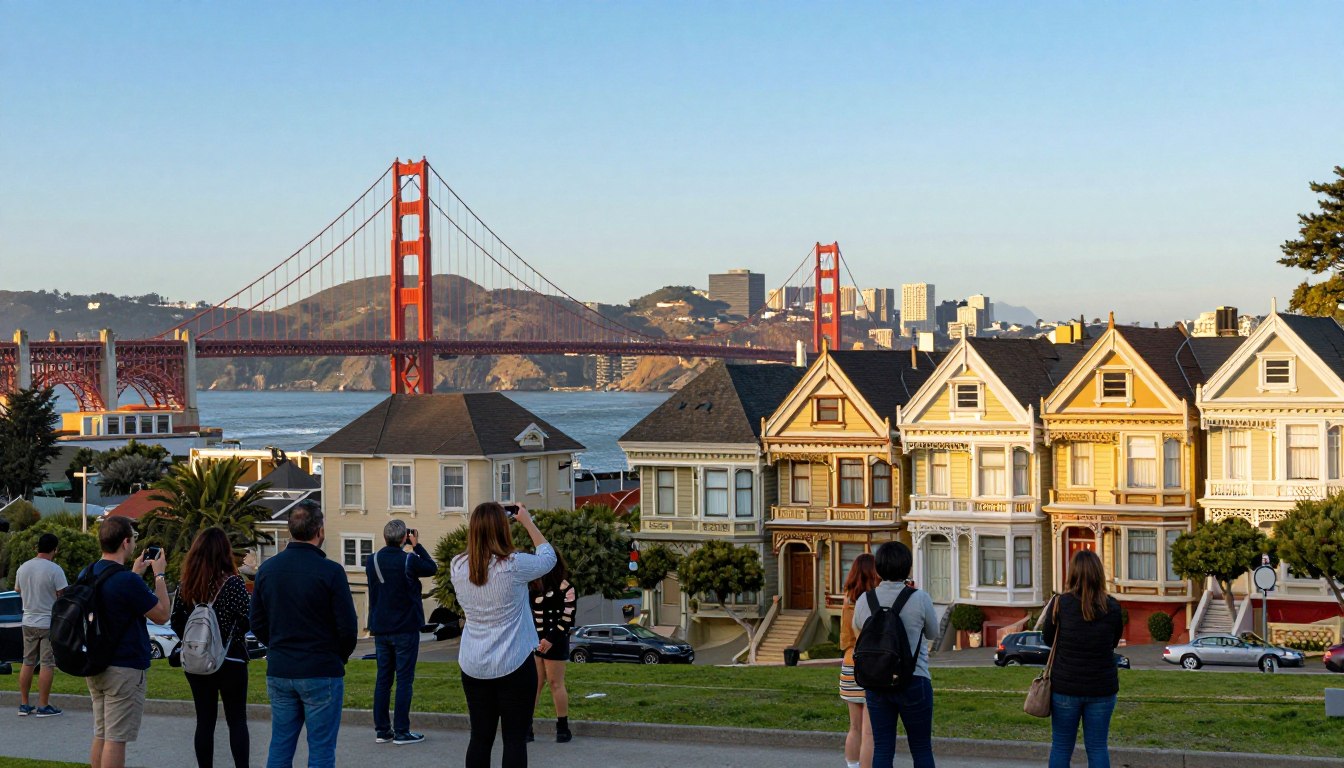
The Painted Ladies are a must-see when visiting San Francisco. These brightly colored Victorian houses are located on Alamo Square and are a classic example of the city’s architectural heritage. The houses were built in the late 19th century and have since become a symbol of San Francisco.
The Painted Ladies are not just visually stunning; they also offer a glimpse into San Francisco’s history. The houses were originally built as part of a larger development project in the 1890s. Today, they are some of the most photographed houses in the world.
“San Francisco is a city of colorful houses, and the Painted Ladies are some of the most colorful of all.”
Coit Tower and Telegraph Hill History
Coit Tower is another iconic landmark in San Francisco, located on Telegraph Hill. The tower was built in 1933 and offers panoramic views of the city. It is also home to a number of murals depicting scenes from California’s history.
Telegraph Hill itself has a rich history, dating back to the early days of San Francisco. The hill was originally a rocky outcrop that was used as a signaling station. Today, it is a popular destination for both locals and tourists.
| Landmark | Location | Historical Significance |
|---|---|---|
| Painted Ladies | Alamo Square | Iconic Victorian architecture |
| Coit Tower | Telegraph Hill | Panoramic views and historic murals |
By visiting these cultural landmarks and historic sites, you’ll gain a deeper understanding of San Francisco’s rich history and cultural heritage. Whether you’re interested in architecture, history, or simply exploring a new city, San Francisco has something to offer.
Neighborhood Guide: Where to Stay and Explore
San Francisco’s diverse neighborhoods offer a range of experiences, from bustling city centers to scenic waterfronts. Choosing the right neighborhood to stay in and explore can significantly enhance your trip.
Union Square: Central and Convenient
Union Square is one of San Francisco’s most iconic areas, known for its vibrant atmosphere, shopping, and dining options. Staying in or around Union Square puts you at the heart of the city, with easy access to many major attractions.
Key Benefits:
- Central location
- Access to public transportation
- Variety of dining and shopping options
Fisherman’s Wharf: Tourist-Friendly Waterfront
Fisherman’s Wharf is another popular destination for tourists, offering stunning waterfront views, seafood restaurants, and proximity to Pier 39 and the sea lions. It’s an ideal spot for those who want to be close to the action and enjoy the maritime charm of San Francisco.
Key Attractions:
- Waterfront dining and shopping
- Pier 39 and sea lions
- Street performers and live entertainment
To help you decide between these neighborhoods, here’s a comparison of their characteristics:
| Neighborhood | Key Features | Ideal For |
|---|---|---|
| Union Square | Central, shopping, dining, public transport | Those who want to be in the city center |
| Fisherman’s Wharf | Waterfront, seafood, Pier 39, sea lions | Tourists seeking a waterfront experience |
Both Union Square and Fisherman’s Wharf offer unique experiences that cater to different preferences. By understanding what each neighborhood has to offer, you can make an informed decision about where to stay and explore during your visit to San Francisco.
Practical Tips for First-Time Visitors
First-time visitors to San Francisco can greatly benefit from a few insider tips that help in tackling the city’s unique challenges and making the most of its attractions. As you prepare for your trip, understanding the city’s weather patterns and geography can significantly enhance your experience.
Layering Your Clothing for Unpredictable Weather
San Francisco’s weather is famously unpredictable, with microclimates that can cause significant variations in temperature and fog cover across different neighborhoods. To be prepared, it’s essential to layer your clothing.
Start with a breathable base layer, add a sweater or fleece for warmth, and top it off with a waterproof jacket to protect against fog and wind. This will allow you to adjust your attire according to the changing conditions throughout the day.
Additionally, consider packing clothing that can be easily layered, such as lightweight scarves or hats, which can add warmth without being too bulky. San Francisco’s temperature can drop significantly in the evenings, even during the summer months, so it’s always a good idea to have an extra layer on hand.
Understanding San Francisco’s Steep Hills
San Francisco is known for its steep hills, which can be both a challenge and a charm. To navigate the city effectively, it’s crucial to understand the layout and plan your route accordingly.
Some of the most iconic neighborhoods, such as Nob Hill and Russian Hill, are situated on top of steep inclines, making them great spots for panoramic views but potentially challenging to reach on foot.
To make the most of your visit, consider using San Francisco’s public transportation system, including the famous cable cars, which can help you traverse the hills with ease. Alternatively, wear comfortable shoes that are suitable for walking uphill, and take breaks when needed.
| Neighborhood | Hill Steepness | Public Transport |
|---|---|---|
| Nob Hill | High | Cable Car |
| Russian Hill | High | Cable Car, Bus |
| Fisherman’s Wharf | Moderate | Bus, Walk |
By being prepared for San Francisco’s unique weather and geography, you can ensure a more enjoyable and stress-free visit, allowing you to focus on exploring the city’s many attractions and hidden gems.
Conclusion
As you plan your trip to San Francisco, you’ll find that this vibrant city has something for everyone. With a well-crafted San Francisco itinerary, you can explore the city’s iconic landmarks, immerse yourself in its rich history and culture, and indulge in its renowned culinary scene.
From strolling across the Golden Gate Bridge to discovering the city’s hidden gems in Golden Gate Park, your 3-day San Francisco travel guide is your key to unlocking an unforgettable experience. Be sure to take advantage of the city’s convenient transportation options, including cable cars and public buses, to make the most of your time.
As you explore San Francisco’s diverse neighborhoods, from Fisherman’s Wharf to the Mission District, you’ll discover a city that’s as eclectic as it is charming. With this San Francisco travel guide, you’re ready to start planning an adventure that will leave you with lifelong memories of this incredible city.



Leave a Reply