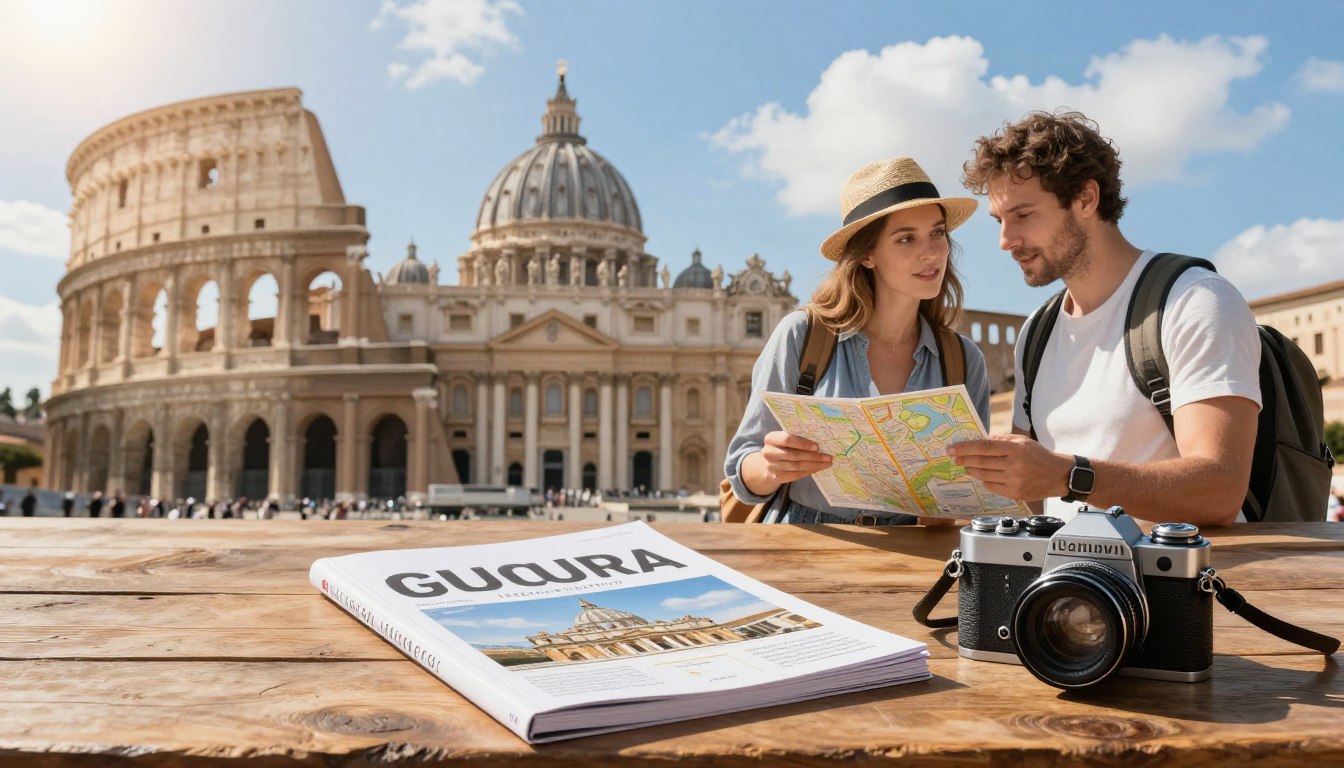
Stepping into the Eternal City feels like walking through a massive, living museum. You will discover a place where ancient heritage meets a modern, pulsing energy that is truly infectious. Each winding path reveals a hidden narrative from centuries ago that will leave you in total awe.
The local lifestyle centers around incredible flavors and deep artistic roots. You can spend hours wandering through cobblestone streets while enjoying the best gelato of your life. This journey provides a unique balance that nourishes your spirit and satisfies your appetite simultaneously.
Planning your journey requires a few smart tips to ensure a smooth experience. Seeing the most famous attractions is easier when you know how to navigate the busy neighborhoods. This information helps you explore the Italian capital like a seasoned local.
Key Takeaways
- Wear comfortable walking shoes to handle the historic cobblestones.
- Book tickets to major sites in advance to avoid long lines.
- Try authentic pasta dishes such as Carbonara or Cacio e Pepe.
- Use public transit or walk to save money on transportation.
- Carry a reusable water bottle to use the free public fountains.
- Learn a few basic Italian phrases to help with daily interactions.
Planning Your First Trip to Rome: When to Visit and How Long to Stay
As you prepare for your Roman adventure, understanding the best time to visit is crucial. Rome, with its rich history, vibrant culture, and delicious food, is a destination that can be enjoyed year-round, but the experience varies significantly with the seasons.
Best Seasons for Your Rome Visit
Rome’s climate is generally mild, making it a popular destination at any time of the year. However, the best time to visit depends on your preferences regarding weather and crowd tolerance.
Spring and Fall: Peak Seasons with Pleasant Weather
Spring (March to May) and fall (September to November) are considered the best times to visit Rome. During these periods, the weather is pleasant, with mild temperatures and fewer rainy days. These seasons are ideal for exploring Rome’s outdoor attractions, such as the Colosseum and the Roman Forum, without the intense summer heat.
- Mild temperatures, averaging 60-75°F (15-24°C)
- Fewer tourists than in the peak summer months
- Comfortable conditions for sightseeing
Summer Crowds and Winter Bargains
Summer is peak tourist season, with June, July, and August being the busiest months. While the weather is warm, the city can be quite crowded, and popular attractions may have long lines. On the other hand, winter (December to February) offers a more relaxed experience, with fewer tourists and lower prices for accommodations. However, some attractions might have limited hours or be closed.
- Summer: Hot weather and large crowds
- Winter: Cooler temperatures and potential closures of some attractions
Determining How Many Days You Need
The ideal duration of your stay in Rome depends on your interests and travel style. For a first-time visitor, spending at least 4-5 days in Rome is recommended to explore the city’s main attractions, such as the Vatican City, the Colosseum, and the Pantheon.
If you’re interested in delving deeper into Rome’s history, culture, and cuisine, consider staying for 7-10 days. This allows you to visit lesser-known neighborhoods, enjoy local cuisine, and take day trips to nearby destinations like Pompeii or the Amalfi Coast.
Booking Flights and Accommodations Early
To ensure a smooth trip, it’s advisable to book your flights and accommodations well in advance, especially during peak travel seasons. Early booking can help you secure better rates and avoid last-minute price hikes.
Consider staying in a central neighborhood to make the most of your time. Areas like the Historic Center or Trastevere offer easy access to major attractions and a vibrant local atmosphere.
Understanding Rome’s Historic Neighborhoods and Layout
To truly experience Rome, you need to explore its diverse neighborhoods, where history, culture, and modern life blend seamlessly. Rome’s historic neighborhoods offer a glimpse into the city’s rich past, with areas like the Historic Center, Trastevere, and Monti providing a unique blend of ancient and modern charm.

The Historic Center: Heart of Ancient and Baroque Rome
The Historic Center is home to many of Rome’s most famous landmarks, including the Pantheon and Piazza Navona. As you wander through its narrow streets, you’ll discover layers of history, from ancient ruins to Baroque fountains and piazzas. This area is a must-visit for anyone looking to immerse themselves in Rome’s rich cultural heritage.
“The Historic Center is where the past comes alive,” says a local guide. “Every corner, every piazza, tells a story of Rome’s glorious past.”
Trastevere: The Bohemian Quarter
Trastevere is known for its bohemian vibe and nightlife. This charming neighborhood is characterized by its narrow streets, charming piazzas, and lively atmosphere. As the sun sets, Trastevere comes alive with locals and tourists alike, enjoying the area’s many restaurants, bars, and live music venues.
Trastevere’s charm lies in its ability to balance tradition with a modern, laid-back atmosphere. It’s the perfect place to experience Rome’s vibrant nightlife and culinary delights.
Monti: The Trendy Village Within the City
Monti is a trendy area that offers a mix of old and new Rome. This neighborhood is known for its fashionable boutiques, artisanal shops, and hip restaurants. By day, Monti is a great place to explore and shop; by night, it transforms into a lively dining and entertainment district.
Monti’s unique blend of traditional and modern elements makes it a fascinating area to explore. You’ll find everything from historic landmarks to cutting-edge fashion and cuisine.
Vatican City and Prati District
Vatican City and the Prati District are closely linked, with the Prati District offering a more local experience just outside the Vatican walls. The area is known for its charming streets, historic buildings, and authentic trattorias. Visitors can enjoy a more subdued atmosphere here, away from the crowds, while still being close to major attractions like St. Peter’s Basilica.
Exploring Vatican City and the Prati District provides a unique perspective on Rome, combining spiritual significance with local culture.
Exploring Ancient Rome: The Colosseum, Roman Forum, and Palatine Hill
As you step into the heart of Rome, the ancient ruins that once hosted gladiator battles and imperial processions await your discovery. The Colosseum, Roman Forum, and Palatine Hill are not just historical landmarks; they are gateways to understanding the grandeur and complexity of Ancient Rome.

How to Book Colosseum Tickets and Skip the Lines
To make the most of your visit to the Colosseum, it’s essential to plan ahead. Booking tickets in advance can save you from long wait times. Consider opting for a guided tour or skip-the-line tickets to enhance your experience.
Guided Tours vs. Self-Guided Visits
Guided tours offer in-depth knowledge about the history and significance of the Colosseum, while self-guided visits provide the flexibility to explore at your own pace. Weigh the benefits of each to decide what suits you best.
Best Times to Avoid Crowds
Visiting early in the morning or later in the afternoon can help you avoid the peak tourist crowds. Additionally, consider visiting during the off-season for a more serene experience.
Walking Through the Roman Forum’s Ancient Streets
The Roman Forum, once the heart of ancient Rome, is now a sprawling archaeological site filled with historical ruins. As you walk through its ancient streets, you’ll encounter landmarks like the Temple of Julius Caesar and the Arch of Titus.
Tips for Visiting the Roman Forum: Wear comfortable shoes, as you’ll be doing a lot of walking. Bring water and sun protection, especially during the summer months.
Climbing Palatine Hill for Imperial Palace Ruins
Palatine Hill, one of Rome’s seven hills, offers breathtaking views of the city and is home to the ruins of imperial palaces. It’s a less crowded alternative to the Colosseum and Roman Forum, providing a more intimate glimpse into Rome’s ancient past.
The panoramic view from the top is particularly stunning during sunrise or sunset.
Visiting Vatican City: Your Complete Guide
As you step into Vatican City, you’re about to experience one of the world’s most unique and awe-inspiring destinations. With its rich cultural heritage and historical significance, Vatican City is a place where art, faith, and history converge.
Planning Your Vatican Museums Experience
The Vatican Museums are home to some of the world’s most renowned artworks, including the Sistine Chapel ceiling. To make the most of your visit, planning is essential.
Booking Timed Entry Tickets
To avoid the long queues, it’s highly recommended to book timed entry tickets in advance. This not only saves you time but also ensures that you can visit the museums without the stress of waiting in line.
Tips for Booking:
- Book your tickets online through the official Vatican Museums website.
- Choose a time slot that suits your schedule.
- Consider guided tours for a more in-depth experience.
Navigating the Museum Route
The Vatican Museums are vast, covering over 140 rooms and galleries. To navigate this extensive collection, it’s helpful to plan your route in advance.
Key Areas to Visit:
- The Sistine Chapel
- The Raphael Rooms
- The Pio-Clementino Museum
The Sistine Chapel: Rules and Viewing Tips
The Sistine Chapel is one of the most famous attractions within the Vatican Museums. To ensure a respectful and enjoyable visit, there are certain rules and tips to keep in mind.
Dress Code: Dress modestly, covering your shoulders and knees.
Exploring St. Peter’s Basilica
St. Peter’s Basilica is not only a significant religious site but also an architectural marvel. As you explore the basilica, take note of its stunning interior and the numerous artworks on display.
| Feature | Description |
|---|---|
| Dome | Climb to the top for panoramic views of Rome |
| Michelangelo’s Pieta | A famous sculpture by Michelangelo |
| Bernini’s Baldacchino | A grand altar canopy designed by Bernini |
Climbing the Dome for Panoramic Views
For a truly unforgettable experience, climb to the top of St. Peter’s Dome. The views from the top are breathtaking, offering a unique perspective on Rome.
Tips for Climbing:
- Be prepared for a climb of over 500 steps.
- Consider booking a guided tour for historical insights.
- Take your time and enjoy the views from the different levels.
Discovering Rome’s Iconic Cultural Landmarks
From ancient ruins to baroque masterpieces, Rome’s cultural landmarks are a testament to the city’s layered history and its status as a living museum. As you explore Rome, you’ll discover that each landmark tells a unique story about the city’s past, its cultural evolution, and its enduring influence on art and architecture.

The Pantheon: Ancient Engineering Marvel
The Pantheon stands as one of Rome’s most impressive architectural achievements, a testament to the engineering prowess of the ancient Romans. Built in 126 AD, this magnificent structure has been in continuous use throughout its history, initially as a temple and later as a church. Its dome, designed by Michelangelo, is a masterpiece of engineering and a highlight of any visit to Rome.
Trevi Fountain: When to Visit and Coin Tossing Tradition
No visit to Rome is complete without experiencing the beauty of the Trevi Fountain. This baroque masterpiece is not only a stunning work of art but also a significant cultural landmark. Visitors from around the world come to admire its beauty and participate in the tradition of tossing a coin into the fountain, ensuring their return to Rome. The best time to visit is early in the morning or late at night to avoid the crowds.
Spanish Steps and the Surrounding Shopping District
The Spanish Steps, one of Rome’s most famous landmarks, offer a grand staircase connecting the Piazza di Spagna to the Trinità dei Monti church. The area is not just a cultural icon but also a shopper’s paradise, with a variety of high-end boutiques and artisanal shops lining the surrounding streets. Visitors can enjoy the lively atmosphere, take in the views from the top, and indulge in some retail therapy.
Piazza Navona and Bernini’s Fountains
Piazza Navona is a charming square built on the site of the ancient Roman Stadium of Domitian. It’s renowned for its beautiful baroque architecture and Bernini’s famous fountains, which are a must-see for anyone visiting Rome. The piazza is surrounded by charming cafes and street performers, making it a delightful place to relax and soak up the atmosphere.
Your Essential Rome Travel Guide for First-Time Visitors: Must-See Churches and Art
Rome’s churches are a testament to the city’s rich cultural tapestry, weaving together history, art, and spirituality in a way that’s unique to this ancient city. As you explore Rome, you’ll find that its churches are not just places of worship but also treasure troves of art and history.

Basilica di Santa Maria Maggiore
The Basilica di Santa Maria Maggiore is one of Rome’s four major basilicas and a must-visit for its stunning mosaics and beautiful architecture. This historic church is known for its well-preserved ancient structures and beautiful artworks.
San Giovanni in Laterano: Rome’s Cathedral
San Giovanni in Laterano is Rome’s cathedral and another of the city’s four major basilicas. It’s a significant religious site that boasts impressive architecture and historical importance. Visitors can explore its beautiful cloisters and admire the intricate details of its design.
Santa Maria in Trastevere and Its Stunning Mosaics
The church of Santa Maria in Trastevere is renowned for its beautiful mosaics, particularly those adorning its facade and interior. This charming church is a highlight of the Trastevere neighborhood, known for its bohemian vibe and picturesque streets.
Caravaggio Masterpieces in Roman Churches
Rome is home to several masterpieces by the Baroque painter Caravaggio. Many of his works are found in the city’s churches, offering art lovers a unique opportunity to see his dramatic and emotionally charged paintings up close.
As you explore these churches, you’ll gain a deeper appreciation for Rome’s rich cultural heritage and the significant role that art and spirituality play in the city’s identity.
Experiencing Authentic Roman Cuisine: What to Eat and Where
As you wander through Rome, the city’s culinary delights are sure to captivate your senses. Roman cuisine is known for its rich flavors and hearty dishes, making it a paradise for food lovers. The key to experiencing authentic Roman cuisine lies in exploring local eateries and traditional dishes.
Four Classic Roman Pasta Dishes You Must Try
Roman pasta dishes are renowned for their simplicity and rich flavors. Here are four classic dishes you shouldn’t miss:
Carbonara: The Creamy Roman Classic
Carbonara is a staple of Roman cuisine, made with eggs, parmesan cheese, and guanciale (cured pork jowl). The authentic version is far removed from the creamy, mushroom-laden versions often found outside Italy.
Cacio e Pepe: Simple Perfection
Cacio e Pepe is another iconic Roman dish, showcasing the beauty of simplicity with just three main ingredients: Pecorino Romano cheese, black pepper, and pasta. The quality of these ingredients is paramount to the dish’s success.
Amatriciana and Gricia
Amatriciana and Gricia are two more pasta dishes that highlight Roman culinary traditions. Amatriciana includes tomatoes, while Gricia is a variation without, both featuring guanciale as a key ingredient.
Roman Street Food and Market Snacks
Rome’s street food scene is vibrant and diverse, offering a range of delicious snacks. Here are a couple of must-try options:
Supplì and Trapizzino
Supplì are fried risotto balls filled with mozzarella, typically served as a snack or appetizer. Trapizzino is a triangular pocket of pizza dough filled with various ingredients like chicken or vegetables.
Pizza al Taglio
Pizza al Taglio is a style of pizza sold by weight, often served as a quick snack. It’s a great way to sample different toppings and flavors.
Finding Authentic Trattorias Away from Tourist Areas
To truly experience Roman cuisine, venture into local neighborhoods and seek out authentic trattorias. These establishments often serve traditional dishes made with fresh, locally sourced ingredients.
| Dish | Description | Where to Try |
|---|---|---|
| Carbonara | Eggs, parmesan, guanciale | Trattoria al Moro |
| Cacio e Pepe | Pecorino Romano, black pepper, pasta | La Rosetta |
| Supplì | Fried risotto balls with mozzarella | Pizzeria La Montecarlo |

Embracing Italian Food Culture: Coffee, Gelato, and Aperitivo
As you wander through Rome, you’ll discover that Italian food culture is an integral part of the city’s identity. It’s not just about the food; it’s about the experience of enjoying a meal or a coffee in a vibrant atmosphere. Italian culture is deeply rooted in its culinary traditions, and understanding these customs can enhance your visit.
Italian food culture is a sensory experience that encompasses not just meals, but also coffee, gelato, and aperitivo. These elements are crucial to understanding the local lifestyle and immersing yourself in it.
How to Order Coffee Like a Roman
Coffee is an essential part of Italian culture, and ordering it like a local can make your experience more authentic. Italians take their coffee seriously, and there’s a specific etiquette to follow.
Morning Cappuccino Rules
In Italy, cappuccino is typically consumed in the morning, and it’s rare to see locals ordering it after 11 am. The rule of thumb is to enjoy cappuccino with breakfast, as it’s considered a meal in itself.
“Cappuccino is a morning drink, and Italians are quite particular about their coffee rituals.”
The Standing Espresso Tradition
When it comes to espresso, Italians usually stand at the bar to drink it. This tradition is not just about convenience; it’s also about the culture of quick, social interactions at the bar.
To order like a local, simply say “un caffè, per favore” (a coffee, please), and you’ll be served a shot of espresso. If you prefer it with a bit of milk, ask for “un caffè macchiato.”
Finding the Best Gelato in Rome
Gelato is another beloved Italian treat that’s worth exploring during your visit. With so many gelaterias in Rome, finding the best one can be a challenge.
Look for gelaterias that display a sign saying “produzione propria” (homemade), indicating that they make their gelato on site. Some popular flavors to try include hazelnut, pistachio, and stracciatella.
| Gelato Flavor | Description |
|---|---|
| Hazelnut | A rich, nutty flavor that’s a classic Italian favorite. |
| Pistachio | A creamy, green gelato with a distinct pistachio taste. |
| Stracciatella | A chocolate chip gelato that’s a staple in many Italian gelaterias. |
Enjoying Aperitivo Hour in Local Wine Bars
Aperitivo hour is a cherished Italian tradition that involves enjoying a pre-dinner drink accompanied by snacks. It’s a time to relax and socialize before the evening meal.
To experience aperitivo like a local, head to a wine bar around 6 or 7 pm and order a drink. Many bars offer a complimentary buffet with your drink, featuring a variety of snacks.
Some popular aperitivo drinks include Negroni, Spritz, and Prosecco. Don’t be afraid to try something new and enjoy the lively atmosphere of the wine bars.
Getting Around Rome: Mastering the Transportation System
Navigating Rome’s transportation network is easier than you think, with a comprehensive system that includes metro lines, buses, and trams. Understanding how to use these services effectively will make a significant difference in your travel experience.
Using Rome’s Metro, Buses, and Trams
Rome’s public transportation system is efficient and covers most areas of the city. The metro, buses, and trams are operated by ATAC (Azienda Traspordi Autoferrotranviari del Comune di Roma).
Buying and Validating Tickets
To use public transportation in Rome, you need to purchase a ticket or a travel card. Tickets can be bought at metro stations, tobacco shops, or newsstands. It’s essential to validate your ticket before boarding by using the machines at metro entrances or on buses and trams. A standard ticket (BIG) costs €1.50 and is valid for one ride on the metro, bus, or tram within a 100-minute time frame.
Understanding the Metro Lines
Rome has three metro lines: A, B, and C. Line A runs from Battistini to Anagnina, Line B from Rebibbia to Laurentina, and Line C from Monte Compatri-Pantano to San Giovanni. The metro operates from 5:30 AM to 11:30 PM on weekdays, with extended hours on Friday and Saturday nights.
| Metro Line | Route | Operating Hours |
|---|---|---|
| Line A | Battistini to Anagnina | 5:30 AM – 11:30 PM |
| Line B | Rebibbia to Laurentina | 5:30 AM – 11:30 PM |
| Line C | Monte Compatri-Pantano to San Giovanni | 5:30 AM – 11:30 PM |
When Walking Is Your Best Option
Walking is an excellent way to explore Rome, especially in the historic center where many attractions are within walking distance. Rome is a relatively compact city, and walking allows you to discover hidden gems and enjoy the city’s atmosphere.
Taking Taxis and Using Ride-Share Apps Safely
Taxis are readily available in Rome, but it’s crucial to use licensed taxis to avoid scams. Look for the official taxi sign and ensure the meter is running. Ride-share apps like Uber and MyTaxi are also available, offering a convenient alternative to traditional taxis.
By mastering Rome’s transportation system, you’ll be able to navigate the city with ease and make the most of your trip.
Where to Stay in Rome: Choosing Your Perfect Base
Choosing the right neighborhood and accommodation in Rome can significantly enhance your travel experience. Rome offers a wide range of accommodations, from budget-friendly hostels to luxury hotels and vacation rentals.
Best Neighborhoods for First-Time Visitors
For first-time visitors, neighborhoods like the Historic Center, Trastevere, and Monti are highly recommended. The Historic Center is close to major attractions, Trastevere offers a bohemian vibe, and Monti provides a trendy village atmosphere within the city.
These neighborhoods not only offer a variety of Rome accommodations but also give you a chance to experience the authentic Roman lifestyle.
Budget Accommodations: Hostels and Guesthouses
For travelers on a budget, Rome has numerous hostels and guesthouses. These options are not only affordable but also provide opportunities to meet fellow travelers.
Some popular budget-friendly areas include the city center and areas around major attractions, making it easy to explore Rome without breaking the bank.
Mid-Range and Luxury Hotel Options
If you’re looking for more comfort and luxury, Rome has a plethora of mid-range and high-end hotels. These hotels often offer excellent services, including spas, fine dining, and concierge services.
Many of these hotels are located in historic buildings, adding to the charm of your stay.
Vacation Rentals and What to Consider
Vacation rentals are another popular option for travelers, offering more space and the chance to live like a local. When choosing a vacation rental, consider factors like location, amenities, and reviews from previous guests.
Websites like Airbnb and VRBO offer a wide range of options, from cozy apartments to spacious villas, helping you find the perfect place to stay in Rome.
Uncovering Roman History Beyond the Major Sites
Rome is a city where history is omnipresent, and venturing off the beaten path reveals a treasure trove of historical secrets. While the Colosseum and Vatican City are must-visit attractions, there’s more to Rome’s history than these iconic landmarks. You can gain a deeper understanding of the city’s rich past by exploring some of its lesser-known historical sites.
Capitoline Museums: Ancient Sculptures and City Views
The Capitoline Museums are a treasure trove of ancient sculptures and artifacts that offer a glimpse into Rome’s rich history. As you walk through the museums, you’ll discover an extensive collection of statues, coins, and other relics that tell the story of Rome’s development from ancient times to the present day. One of the highlights is the famous Capitoline Wolf, a bronze sculpture depicting the legendary founders of Rome. The museums also offer stunning views of the city from their terraces.
Baths of Caracalla: Imperial Leisure Complex
The Baths of Caracalla are another significant historical site that showcases the grandeur of ancient Rome. Built in the 3rd century AD, these baths were not just a place for personal hygiene but a complex leisure center that included gardens, libraries, and even a stadium. As you explore the ruins, you can imagine the bustling activity that once took place here, with thousands of Romans coming to relax and socialize.
Walking the Ancient Appian Way
Walking along the Ancient Appian Way is like stepping back in time. This ancient road, known as the “Queen of the Roads,” was a crucial route for the Romans, connecting Rome to Brindisi in southern Italy. As you walk, you’ll pass by ancient tombs, ruins, and even sections of the original Roman pavement. It’s a unique opportunity to experience the history of Rome firsthand and understand the significance of this ancient infrastructure.
Exploring the Catacombs of San Callisto
For a glimpse into Rome’s early Christian history, visit the Catacombs of San Callisto. These underground burial sites date back to the 2nd century AD and contain the remains of thousands of early Christians, including several popes. As you navigate the narrow tunnels, you’ll see intricate frescoes and inscriptions that provide insight into the lives and beliefs of these early followers of Christianity.
| Historical Site | Description | Highlights |
|---|---|---|
| Capitoline Museums | A collection of museums housing ancient sculptures and artifacts | Capitoline Wolf, ancient statues, city views |
| Baths of Caracalla | Ancient Roman baths and leisure complex | Ruins of baths, gardens, libraries, and stadium |
| Ancient Appian Way | Historic road connecting Rome to southern Italy | Ancient tombs, original Roman pavement |
| Catacombs of San Callisto | Underground burial sites for early Christians | Frescoes, inscriptions, remains of early Christians |
By exploring these lesser-known historical sites, you’ll uncover the layers of Rome’s rich history and gain a deeper appreciation for this eternal city.
Essential Cultural Tips and Practical Advice for Rome
Rome is a city that seamlessly blends ancient traditions with modern life, and grasping its cultural nuances can greatly enhance your visit. Understanding and respecting local customs, especially when visiting religious sites or dining at traditional eateries, can make your experience more authentic and enjoyable.
Dress Codes for Churches and Religious Sites
When visiting churches and other religious sites in Rome, it’s essential to dress modestly. This means covering your shoulders and knees as a sign of respect. For women, a scarf or shawl can be a useful item to carry for covering up when needed. Men should avoid sleeveless shirts and shorts.
Some of Rome’s most famous religious sites, like the Vatican, have strict dress code policies. Failing to comply might result in being denied entry. It’s not just about following rules; dressing appropriately is a way to show respect for the local culture and traditions.
Understanding Italian Dining Hours and Restaurant Etiquette
Dining in Rome is an experience that goes beyond just eating. Understanding the local dining hours and etiquette can enhance your culinary adventures. Lunch is typically served between 12:30 pm and 3:00 pm, while dinner starts around 7:30 pm and can go late into the night.
Cover Charges and Tipping Customs
In many restaurants, you’ll find a coperto or cover charge, which is a small fee per person for bread and other services. Tipping is not mandatory but is appreciated for good service. A tip of 1-2 euros is standard.
How Meals Are Structured
A traditional Italian meal is structured into several courses: antipasto (appetizer), primo (first course, usually pasta or risotto), secondo (main course), contorno (side dish), and dolce (dessert). While you can choose to skip some courses, understanding this structure can help you navigate menus more confidently.
Staying Safe and Avoiding Common Tourist Scams
Like many major tourist destinations, Rome has its share of scams targeting unsuspecting visitors. Being aware of common scams, such as pickpocketing in crowded areas or overly friendly strangers approaching you with distractions, can help you stay safe.
Keep your belongings secure, and be cautious of deals that seem too good to be true. Using reputable taxi services and being mindful of your surroundings, especially in crowded areas or at night, can also enhance your safety.
Basic Italian Phrases That Will Help You
While many Romans speak some English, especially in the service industry, making an effort to speak Italian can go a long way. Simple phrases like grazie (thank you), per favore (please), and scusa (excuse me) can make your interactions smoother and more enjoyable.
Learning a few basic phrases shows respect for the culture and can lead to more authentic interactions with the locals.
Conclusion
As you plan your trip to Rome, you’ll soon discover that this city is a treasure trove of history, culture, and culinary delights. With a comprehensive Rome travel guide, you can navigate the city’s many attractions and experiences with ease.
From the ancient ruins of the Colosseum and Roman Forum to the grandeur of Vatican City, Rome’s landmarks are sure to leave you in awe. By understanding the local culture and following Rome tips, such as dressing modestly for church visits and enjoying the local cuisine, you can make the most of your time in this incredible city.
As you explore Rome’s historic neighborhoods, savor the flavors of authentic Italian cuisine, and soak up the vibrant atmosphere, you’ll create memories that will last a lifetime. Whether you’re a history buff, a foodie, or simply a curious traveler, Rome has something to offer everyone.
With these insights and tips, you’re now better equipped to embark on your Roman adventure. Buon viaggio!






Leave a Reply