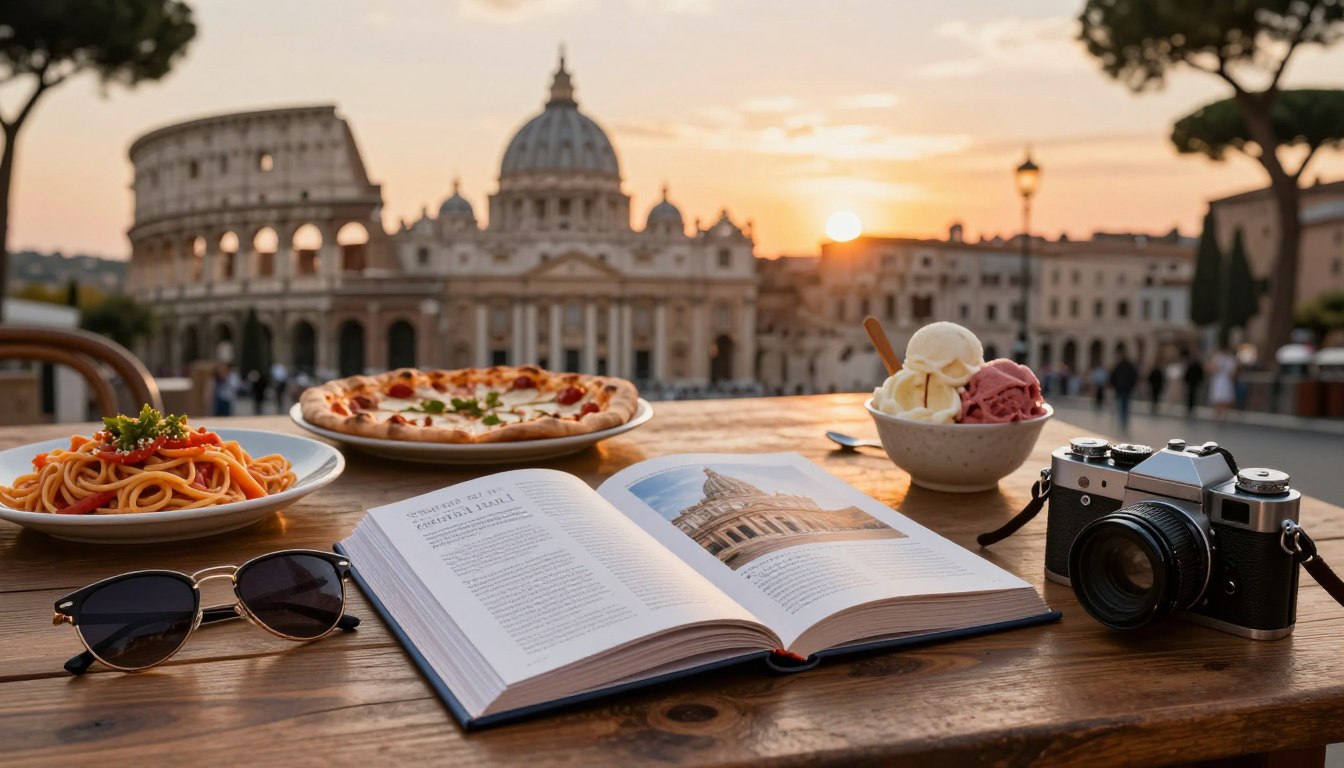
You are ready to visit the Eternal City, a legendary place where history lives in every single stone. This Rome travel guide helps you find the perfect balance between ancient wonders and modern street life. You will walk through layers of civilization that have stood for thousands of years.
Exploring the winding alleys reveals hidden gems and cozy cafes at every turn. You can taste authentic carbonara or grab a quick espresso at a standing bar. This itinerary covers 4 days to ensure you see the best landmarks without feeling overwhelmed by the crowds.
The vibrant culture and warm sunshine make every afternoon feel like a dream. Whether you enjoy classical art or world-class shopping, the capital offers endless joy. Discovering local secrets will make your journey truly unique and memorable.
Ancient architecture meets modern energy here in ways that will surprise you. Savor the flavors of Italy while you sit in a sunny piazza. Prepare to experience a trip that stays in your heart forever.
Key Takeaways
- Explore the massive Colosseum and the ancient Roman Forum.
- Visit the Vatican Museums to see breathtaking masterpieces.
- Taste authentic pasta dishes in the cozy Trastevere district.
- Toss a shiny coin into the famous Trevi Fountain.
- Enjoy panoramic sunset views from the top of Pincio Hill.
- Skip the tourist traps and eat where the locals go.
Planning Your 4-Day Rome Adventure
With 4 days in Rome, you’re on the cusp of an unforgettable journey through ancient ruins, culinary delights, and vibrant culture. Rome, a city that seamlessly blends the ancient with the modern, offers a plethora of experiences that can be overwhelming to navigate. However, with the right planning, you can make the most of your trip and create memories that will last a lifetime.
Why 4 Days is the Sweet Spot for Rome
Four days is an ideal duration for exploring Rome because it allows you to visit the major attractions without feeling rushed. You can delve into the city’s rich history by visiting iconic landmarks like the Colosseum and the Roman Forum, explore the Vatican City, including the Sistine Chapel and St. Peter’s Basilica, and still have time to wander through the charming neighborhoods and enjoy the local cuisine.
The benefits of a 4-day itinerary include:
- Visiting major attractions without the pressure of a tight schedule
- Exploring Rome’s diverse neighborhoods to discover their unique character
- Enjoying the local food scene, from traditional trattorias to gelato shops
Where to Base Yourself
Choosing the right neighborhood to stay in Rome can significantly impact your trip. Consider staying in areas like Monti, Prati, or Centro Storico, which offer a mix of accessibility, charm, and amenities. Monti, for instance, is known for its bohemian vibe and proximity to major attractions, while Prati offers a more local experience with plenty of dining options.
- Monti: Close to the city center, with a lively atmosphere and plenty of dining options.
- Prati: A local favorite with a wide range of restaurants and shops.
- Centro Storico: The heart of Rome’s historic center, perfect for those who want to be in the midst of the action.
What This Itinerary Covers
This 4-day itinerary is designed to give you a comprehensive experience of Rome, covering its history, culture, and cuisine. You’ll visit major attractions, explore hidden gems, and enjoy the city’s culinary delights. The itinerary is flexible, allowing you to adjust it based on your interests and preferences.
The itinerary includes:
- A visit to the Colosseum and Roman Forum to explore Rome’s ancient history.
- A tour of the Vatican City, including the Vatican Museums and St. Peter’s Basilica.
- Exploration of Rome’s historic center, including the Pantheon, Trevi Fountain, and Spanish Steps.
- A visit to Villa Borghese for a relaxing afternoon in one of Rome’s largest parks.
Day 1 – Ancient Rome & The Colosseum
Your journey through Rome’s historical sites begins with a visit to the iconic Colosseum. This ancient amphitheater is a testament to Rome’s rich history and engineering prowess.
Morning: Colosseum and Roman Forum
The morning is dedicated to exploring the Colosseum and the Roman Forum. To make the most of your visit, consider a guided tour that includes skip-the-line access.
Skip-the-Line Ticket Strategy
Buying skip-the-line tickets for the Colosseum is a must to avoid long wait times. You can purchase these tickets online in advance through the official Colosseum website or through a reputable ticket vendor.
Tip: Arrive early to beat the crowds and heat.
What to See Inside the Colosseum
As you explore the Colosseum, you’ll learn about its history and the gladiatorial contests that once took place here. The hypogeum, or underground tunnels, is a highlight, offering a glimpse into the complex systems that supported the arena.

After visiting the Colosseum, head to the Roman Forum, a sprawling archaeological site filled with ancient ruins. Key sites include the Temple of Julius Caesar and the Arch of Titus.
Afternoon: Palatine Hill and Capitoline Museums
The afternoon is yours to explore Palatine Hill and the Capitoline Museums, both of which offer a deeper dive into Rome’s ancient past.
Palatine Hill’s Imperial Palaces
Palatine Hill is one of Rome’s seven hills and was home to the Roman emperors. Explore the remains of the imperial palaces and enjoy the panoramic views of the city.
The Capitoline Museums Collection
The Capitoline Museums house an extensive collection of artifacts related to ancient Rome. Highlights include sculptures, coins, and other archaeological finds.
Evening: Monti Neighborhood Dinner
As the day comes to a close, head to the Monti neighborhood for dinner. This charming area is known for its authentic Roman cuisine and cozy atmosphere.
Why Monti is Perfect for Your First Night
Monti offers a relaxed, local dining experience that’s perfect for your first night in Rome. The neighborhood is easily accessible and filled with character.
Recommended Restaurants: La Carbonara and Taverna dei Fori Imperiali
For a taste of authentic Roman cuisine, try La Carbonara or Taverna dei Fori Imperiali. Both restaurants serve traditional dishes in a warm and welcoming setting.
La Carbonara is known for its creative takes on classic Roman pasta dishes, while Taverna dei Fori Imperiali offers a cozy atmosphere and traditional Roman cuisine.
Day 2 – Vatican City & Trastevere
On your second day in Rome, immerse yourself in the grandeur of Vatican City, a city-state within Rome that is home to numerous iconic attractions. Your day will be filled with art, history, and spirituality as you explore some of the world’s most renowned sites.
Morning: Vatican Museums and Sistine Chapel
The Vatican Museums are a must-visit, housing some of the most famous artworks in history. To make the most of your visit, plan ahead.
Best Entry Time and Route
To avoid the crowds, consider visiting the Vatican Museums early in the morning. The recommended route takes you through various galleries and culminates in the Sistine Chapel.
Must-See Rooms: Raphael Rooms and Gallery of Maps
As you navigate the Vatican Museums, be sure to stop by the Raphael Rooms, adorned with frescoes by Raphael, and the Gallery of Maps, which features detailed maps of Italy.
Sistine Chapel Etiquette and What to Look For
When visiting the Sistine Chapel, dress modestly and be prepared for large crowds. The chapel’s ceiling, painted by Michelangelo, is a masterpiece not to be missed.

Midday: St. Peter’s Basilica
After exploring the Vatican Museums, head to St. Peter’s Basilica, the largest Christian church in the world.
Climbing the Dome
For a panoramic view of Rome, consider climbing to the top of the dome. Be prepared for a climb, and note that there is an elevator option for part of the ascent.
Michelangelo’s Pietà and Other Treasures
Inside the basilica, Michelangelo’s Pietà is a highlight, showcasing the artist’s skill and emotion. Other treasures include intricate mosaics and ornate decorations.
| Attraction | Opening Hours | Ticket Price |
|---|---|---|
| Vatican Museums | 9 AM – 6 PM | $20-$30 |
| St. Peter’s Basilica | 7 AM – 7 PM | Free |
| Climbing the Dome | 8 AM – 5 PM | $8-$12 |
Afternoon: Castel Sant’Angelo
After lunch, visit Castel Sant’Angelo, a former fortress and mausoleum that offers stunning views of the city.
Evening: Trastevere Exploration and Dinner
As the day comes to a close, head to the charming neighborhood of Trastevere, known for its narrow streets, charming piazzas, and lively atmosphere.
Wandering Trastevere’s Cobblestone Streets
Take a leisurely stroll through Trastevere’s cobblestone streets, exploring its quaint shops and picturesque piazzas.
Dinner Spots: Da Enzo al 29 and Tonnarello
For dinner, consider Da Enzo al 29 for traditional Roman cuisine or Tonnarello for a modern twist on Italian dishes.
Trastevere’s culinary scene is a highlight of your Roman adventure, offering a range of dining experiences that showcase the best of Italian cuisine.
Day 3 – Historic Center & Hidden Gems
On your third day in Rome, immerse yourself in the historic center, uncovering its iconic landmarks and hidden gems. This day is designed to take you through some of Rome’s most significant historical sites, as well as some of its lesser-known culinary and cultural delights.
Morning: Pantheon and Piazza Navona
Begin your day at the Pantheon, one of Rome’s most impressive ancient buildings. This architectural marvel has stood the test of time, and its grandeur is awe-inspiring.
The Pantheon’s Architectural Marvel
The Pantheon’s design is a testament to the engineering skills of the ancient Romans. Its large dome, which is still the world’s largest unreinforced concrete dome, is a highlight of the structure.

After visiting the Pantheon, take a short walk to Sant’Eustachio Il Caffè, renowned for serving some of Rome’s best coffee. This is a great opportunity to take a break and enjoy the local coffee culture.
Piazza Navona’s Bernini Fountains
Next, head to Piazza Navona, a charming square built on the site of the ancient Roman Stadium of Domitian. The piazza is famous for its beautiful fountains, designed by Bernini, one of Rome’s most celebrated architects.
Afternoon: Trevi Fountain and Spanish Steps
In the afternoon, visit the Trevi Fountain, one of Rome’s most iconic landmarks. This beautiful baroque fountain is known for its stunning architecture and the legend that if you throw a coin into the water, you’ll one day return to Rome.
Best Time to Visit Trevi Fountain
The best time to visit the Trevi Fountain is early in the morning or late at night to avoid the crowds.
Via Condotti Shopping District
After visiting the Trevi Fountain, take a stroll down Via Condotti, one of Rome’s most prestigious shopping streets. Here, you can find a range of high-end boutiques and luxury brands.
Spanish Steps and Keats-Shelley House
Finally, visit the Spanish Steps, one of Rome’s most famous landmarks. This grand staircase connects the Piazza di Spagna to the Trinità dei Monti church and is a popular spot for both locals and tourists. Nearby, you can visit the Keats-Shelley House, a museum dedicated to the Romantic poets who lived in Rome.
Evening: Campo de’ Fiori and Jewish Ghetto
In the evening, head to Campo de’ Fiori, a bustling market square that offers a range of fresh produce, flowers, and local delicacies.
Campo de’ Fiori Market and Square
The Campo de’ Fiori market is a great place to pick up some local specialties and experience the sights and sounds of Rome’s culinary culture.
Jewish Ghetto History and Cuisine
After exploring Campo de’ Fiori, visit the nearby Jewish Ghetto, an area rich in history and culinary delights. The Jewish Ghetto is known for its unique cuisine, which reflects the traditions of Rome’s Jewish community.
| Location | Must-Try Dish | Recommended Restaurant |
|---|---|---|
| Jewish Ghetto | Carciofi alla Giudia | Nonna Betta |
| Campo de’ Fiori | Fresh Produce | Various Vendors |
| Trastevere | Supplì | Supplizio |
Trying Carciofi alla Giudia at Nonna Betta
Be sure to try Carciofi alla Giudia at Nonna Betta, a traditional Roman-Jewish restaurant known for its delicious cuisine. This dish is a must-try when visiting the Jewish Ghetto.
Day 4 – Villa Borghese & Final Highlights
Your last day in Rome is the perfect opportunity to experience the elegance of Villa Borghese, a sprawling park filled with art, nature, and relaxation. This final day of your Roman adventure is designed to provide a serene and culturally rich conclusion to your trip.
Morning: Borghese Gallery
Begin your day with a visit to the Borghese Gallery, one of Rome’s most renowned art museums. The gallery is home to an impressive collection of Renaissance and Baroque art, featuring works by masters such as Bernini, Caravaggio, and Titian.
Booking Your Timed Entry
To avoid long wait times, it’s essential to book your tickets in advance. The Borghese Gallery is very popular, and timed entry tickets help manage the flow of visitors, ensuring a more enjoyable experience.
Bernini and Caravaggio Masterpieces
As you explore the gallery, be sure to see Bernini’s sculptures and Caravaggio’s paintings, including his dramatic “Boy with a Basket of Fruit” and “Saint Jerome Writing.” These masterpieces showcase the artists’ skill and contribute to the gallery’s reputation as a must-visit destination in Rome.
Afternoon: Villa Borghese Gardens
After the gallery, take a leisurely stroll through the Villa Borghese Gardens. These beautiful gardens offer a peaceful escape from the city’s hustle and bustle, with walking trails, picturesque lakes, and plenty of green space to relax.
Pincio Terrace Views
As you wander through the gardens, make your way to the Pincio Terrace, which offers stunning views of the city. It’s a perfect spot to take in the scenery and enjoy the atmosphere.
Rowing on the Lake or Visiting Bioparco
For some added fun, consider renting a boat and rowing on the lake or visiting the Bioparco di Roma, Rome’s zoo, located within the gardens. Both activities provide a unique perspective on Villa Borghese.
Evening: Piazza del Popolo and Via del Corso
As the day comes to a close, head to Piazza del Popolo and Via del Corso for a lively evening experience. Piazza del Popolo is known for its twin churches and beautiful architecture, while Via del Corso offers upscale shopping and dining options.
Piazza del Popolo’s Twin Churches
Admire the symmetrical design of Piazza del Popolo, featuring two identical churches, Santa Maria in Montesanto and Santa Maria dei Miracoli. The piazza is a vibrant spot, especially in the evening when it’s beautifully lit.
Shopping on Via del Corso
Via del Corso is a shopper’s paradise, lined with high-end boutiques and souvenir shops. Whether you’re looking for a special memento or simply want to enjoy the street’s lively atmosphere, Via del Corso is a great place to spend your evening.
Final Night Aperitivo Recommendations
To cap off your Roman adventure, enjoy an aperitivo at one of the many bars or cafes along Via del Corso or in Piazza del Popolo. This Italian tradition involves enjoying a pre-dinner drink and snack, a perfect way to relax and savor your final night in Rome.
Your Complete Rome Itinerary 4 Days at a Glance
As you prepare for your 4-day Rome adventure, having a clear Rome itinerary summary is essential for making the most of your trip. This section will provide you with a concise overview of your daily plans, helping you navigate the city efficiently.
Quick Day-by-Day Summary
To help you visualize your trip, here’s a brief summary of what you can expect each day:
- Day 1: Explore Ancient Rome, visiting the Colosseum and Roman Forum.
- Day 2: Discover Vatican City, including the Vatican Museums and St. Peter’s Basilica.
- Day 3: Visit iconic landmarks like the Pantheon, Trevi Fountain, and Spanish Steps.
- Day 4: Enjoy art at the Borghese Gallery and relax in Villa Borghese Gardens.
Estimated Walking Times Between Attractions
Understanding the walking distances between attractions can help you plan your day more effectively. Here’s a summary of the estimated walking times between major sites:
| From | To | Walking Time (approx.) |
|---|---|---|
| Colosseum | Roman Forum | 5 minutes |
| Roman Forum | Palatine Hill | 10 minutes |
| Vatican Museums | St. Peter’s Basilica | 10 minutes |
| Pantheon | Trevi Fountain | 15 minutes |
| Borghese Gallery | Villa Borghese Gardens | 5 minutes |
Best Times to Visit Each Major Site
Visiting popular attractions at the right time can make a big difference in your experience. Here are some Rome travel tips on the best times to visit major sites:
- Colosseum: Early morning or late afternoon to avoid crowds.
- Vatican Museums: Morning or late afternoon; avoid Mondays when many museums are closed.
- Trevi Fountain: Late evening for a romantic atmosphere and fewer tourists.
- Borghese Gallery: Book tickets in advance and visit early in the morning.

Where to Eat: Rome’s Best Food Experiences
Rome, the Eternal City, is not just a feast for the eyes but also for the taste buds, offering a culinary journey like no other. As you explore the city’s historic streets and landmarks, you’ll find that Roman cuisine is a significant part of the experience, with dishes that have been perfected over centuries.

Classic Roman Dishes You Must Try
Roman cuisine is known for its simplicity and reliance on local ingredients. Some dishes you absolutely cannot miss include:
Carbonara, Cacio e Pepe, and Amatriciana
These three pasta dishes are staples of Roman cuisine. Carbonara is made with eggs, parmesan, and guanciale (cured pork jowl), while Cacio e Pepe is a minimalist masterpiece featuring pecorino cheese and black pepper. Amatriciana adds tomatoes to the guanciale and pecorino, creating a rich and tangy sauce.
“The true secret to Roman cuisine lies in its simplicity and the quality of its ingredients.”
Supplì and Roman Street Food
Supplì are fried risotto balls filled with mozzarella, typically served as a snack or appetizer. They’re a delicious example of Roman street food, which is both affordable and flavorful.
Saltimbocca alla Romana
This dish consists of veal cutlets topped with prosciutto and sage, cooked in white wine and butter. It’s a classic Roman recipe that’s both elegant and easy to enjoy.
Best Trattorias and Osterias by Neighborhood
Rome’s neighborhoods are each known for their unique character and culinary delights. Here are some top recommendations:
Centro Storico: Armando al Pantheon and Flavio al Velavevodetto
In the historic center, Armando al Pantheon is a beloved institution for traditional Roman cuisine. For a more modern twist, Flavio al Velavevodetto offers creative takes on classic dishes.
Testaccio: The Real Food District
Testaccio is known for its authentic Roman cuisine. This neighborhood is a must-visit for foodies looking to experience the real flavors of Rome.
Gelato Shops Worth the Queue
No visit to Rome is complete without trying some of the city’s famous gelato. Here are a few shops that are worth the visit:
Giolitti, Gelateria del Teatro, and Fatamorgana
- Giolitti is a historic gelateria near the Pantheon, offering a wide range of flavors.
- Gelateria del Teatro is known for its creative flavors and is located near the Teatro Valle.
- Fatamorgana offers unique and delicious flavors, with locations in various parts of the city.
Coffee Culture and Cornetto Breakfast
Rome’s coffee culture is an integral part of the daily routine. Start your day with a cornetto (similar to a croissant) and a strong espresso at a local café. It’s the perfect way to experience the authentic Roman lifestyle.
What to Skip: Overrated Tourist Traps in Rome
As you navigate the Eternal City, it’s essential to know what to avoid to make the most of your Roman holiday. Rome is a city that effortlessly blends ancient history with modern charm, but like any popular destination, it has its share of tourist traps. Being aware of these can save you money, frustration, and allow you to experience the authentic beauty of Rome.
Restaurants to Avoid Near Major Attractions
Dining in Rome can be a culinary delight, but some restaurants near major attractions are best avoided. These establishments often prey on unsuspecting tourists with overpriced menus and mediocre food.
The Tourist Menu Red Flags
Be wary of restaurants offering a “tourist menu” near popular sites. These menus are often overpriced and lack the authentic flavors of Roman cuisine. Look out for menus that are translated into multiple languages and have a photo gallery of dishes – these are often indicators of a restaurant catering primarily to tourists.
- Check online reviews from multiple sources to gauge the restaurant’s reputation.
- Avoid restaurants with aggressive touts or those that are overly promotional.
- Opt for eateries that are frequented by locals.
Overpriced Cafés Around Trevi and Spanish Steps
Cafés around famous landmarks like the Trevi Fountain and Spanish Steps often come with a hefty price tag. A simple coffee or snack can cost significantly more than at a local café away from the tourist hotspots.
Tip: Walk a few blocks away from these areas to find more reasonably priced and authentic dining experiences.
Tourist Experiences Not Worth Your Time
Rome offers a plethora of experiences, but not all are worth your time or money. Some attractions and activities are overhyped or overpriced.
The “Mouth of Truth” Queue
The “Mouth of Truth” is a ancient marble mask that is said to bite off the hand of liars. While it’s a famous landmark, the queue can be long, and the area is often crowded with tourists. Consider visiting early in the morning or later in the evening to avoid the peak tourist hours.
Overpriced Hop-On Hop-Off Buses
While hop-on hop-off buses can be a convenient way to see the sights, they are often overpriced and provide a superficial experience of Rome. Consider using Rome’s public transportation system or walking to explore the city more authentically.
“The world is a book, and those who do not travel read only one page.” – Saint Augustine
Common Scams to Watch Out For
Rome, like many tourist destinations, has its share of scams targeting unsuspecting visitors. Being aware of these can help you avoid falling victim.
Gladiator Photo Ops
Costumed gladiators and other characters often pose for photos near popular tourist spots. Be aware that they may demand a significant tip after the photo is taken. If you’re not comfortable with the potential cost, it’s best to avoid them.
Friendship Bracelet Vendors
Vendors selling friendship bracelets or other trinkets may approach you, especially in crowded areas. Be cautious of their sales tactics, and don’t feel pressured to make a purchase.
Stay vigilant and enjoy your time exploring Rome, knowing how to avoid the common pitfalls.
Getting Around Rome Like a Local
To truly experience Rome like a local, mastering the city’s transportation system is key. Rome offers a variety of transportation options, including an efficient metro system, buses, trams, and taxis, making it relatively easy to navigate the city.
Metro, Bus, and Tram System
Rome’s public transportation network is comprehensive, with three metro lines (A, B, and C), numerous bus lines, and six tram lines. Understanding how to use these services can significantly enhance your travel experience.
Roma Pass vs. Regular Tickets
The Roma Pass is a convenient option for tourists, offering free entry to several attractions and discounts on public transportation. You can choose between a 48-hour or 72-hour pass, depending on your itinerary.
| Ticket Type | Cost | Benefits |
|---|---|---|
| Roma Pass 48 hours | €28.50 | Free entry to 2 attractions, discounts on extra attractions, free public transport |
| Roma Pass 72 hours | €38.50 | Free entry to 2 attractions, discounts on extra attractions, free public transport |
| Regular Single Ticket (BIT) | €1.50 | Valid for one ride on metro, bus, or tram |
Key Metro Lines for Tourists
The metro is a convenient way to travel across Rome. Line A runs from the northwest (Battistini) to the southeast (Anagnina), passing through key areas like the Vatican and the city center. Line B is useful for visiting the Colosseum and other historical sites.
Walking vs. Public Transportation
Walking is one of the best ways to explore Rome, especially in the historic center where many attractions are within walking distance. However, for longer distances or when you’re short on time, public transportation is a good alternative.
Rome’s Most Walkable Routes
Some of Rome’s most scenic routes include walking from the Spanish Steps to the Trevi Fountain and continuing to the Pantheon. These walks offer a glimpse into Rome’s architectural beauty and historic significance.
Taxi and Rideshare Tips
Taxis in Rome are generally reliable, but it’s essential to use licensed taxis to avoid scams. Rideshare services are also available, offering a convenient alternative.
Fixed Fares from Fiumicino Airport
For travelers arriving at Fiumicino Airport, there’s a fixed fare for taxis to the city center, which is approximately €48.
When to Use Taxis vs. Walking
Taxis are best used for longer distances or when carrying heavy luggage. For shorter distances, especially in the city center, walking is often the better option, allowing you to soak in the atmosphere and discover hidden gems.
Essential Tips for Your Rome Visit
As you plan your visit to Rome, keep in mind these crucial tips to ensure a smooth and enjoyable journey. Rome, with its ancient ruins, world-class museums, and delicious Italian cuisine, is a city that can be both exhilarating and overwhelming. Being prepared will help you navigate its many wonders with ease.
Best Time to Visit Rome
Choosing the right time to visit Rome can significantly impact your experience. The city is a year-round destination, but certain periods are more pleasant than others.
Shoulder Season Advantages
Visiting Rome during the shoulder season (April-May and September-October) offers several advantages. The weather is mild, and the crowds are smaller compared to the peak summer months. This makes it an ideal time to explore popular attractions without the overwhelming numbers of tourists.
Key benefits of visiting during the shoulder season include:
- Milder weather
- Fewer tourists
- Lower prices for accommodations
Summer Heat Considerations
Summer in Rome can be quite hot, with temperatures often reaching over 90°F (32°C). If you plan to visit during this time, be sure to stay hydrated, wear sunscreen, and take breaks in shaded areas or indoor attractions.
“The summer heat in Rome can be intense. Make sure to pack accordingly and plan your day around the heat.” – Traveler’s Tip
Booking Tickets in Advance
To avoid long wait times at popular attractions, it’s advisable to book your tickets in advance. This can save you a significant amount of time and enhance your overall experience.
Must-Book Attractions: Colosseum, Borghese, Vatican
Some of Rome’s most famous attractions, such as the Colosseum, Borghese Gallery, and Vatican Museums, require or highly recommend advance ticket booking. These sites are extremely popular, and booking ahead can ensure that you secure a spot.
| Attraction | Recommended Booking Time |
|---|---|
| Colosseum | At least 2 weeks in advance |
| Borghese Gallery | At least 1 month in advance |
| Vatican Museums | At least 2 weeks in advance |
Same-Day Ticket Options
While advance booking is recommended for major attractions, some sites may offer same-day tickets if available. However, this is not guaranteed, especially during peak season.
Dress Codes and Etiquette
Rome is known for its historical and religious sites, many of which have dress code requirements. Understanding and respecting these norms will enhance your experience.
Church Dress Requirements
When visiting churches, it’s essential to dress modestly. This typically means covering your shoulders and knees. Some sites may be more strict than others, so it’s a good idea to be prepared.
Mealtimes in Rome are sacred, and dining etiquette is taken seriously. Lunch is typically served between 12:30 PM and 3:00 PM, and dinner from 7:30 PM to 10:30 PM. It’s customary to wait to be seated and to not leave the table until everyone is finished.
Money and Tipping
Understanding the local currency and tipping customs can make your trip smoother. While many places accept credit cards, cash is still king in many situations.
Cash vs. Card in Rome
While many restaurants and shops accept credit cards, it’s always a good idea to have some cash on hand, especially for smaller purchases or at traditional eateries.
Tipping Customs
Tipping in Rome is generally less than in the United States. For service staff, a small tip (around 1-2 euros) is appreciated but not mandatory.
Conclusion
As you wrap up your 4-day Rome adventure, you’ll have experienced a mix of history, culture, and cuisine that defines this eternal city. Your Rome itinerary conclusion marks the end of an incredible journey through ancient ruins, Vatican City, and hidden gems.
To make the most of your trip, remember to plan ahead, booking tickets in advance for popular attractions like the Colosseum and Vatican Museums. Being mindful of your surroundings and taking time to explore beyond the main tourist areas will also enhance your experience.
For your final Rome travel tips, consider exploring different neighborhoods like Trastevere and Monti, which offer a glimpse into local life. Don’t be afraid to try new foods and drinks, from carbonara to gelato, and enjoy the city’s vibrant atmosphere.
With these tips and your well-planned itinerary, you’ll leave Rome with unforgettable memories and a deeper appreciation for its rich history and culture.




Leave a Reply