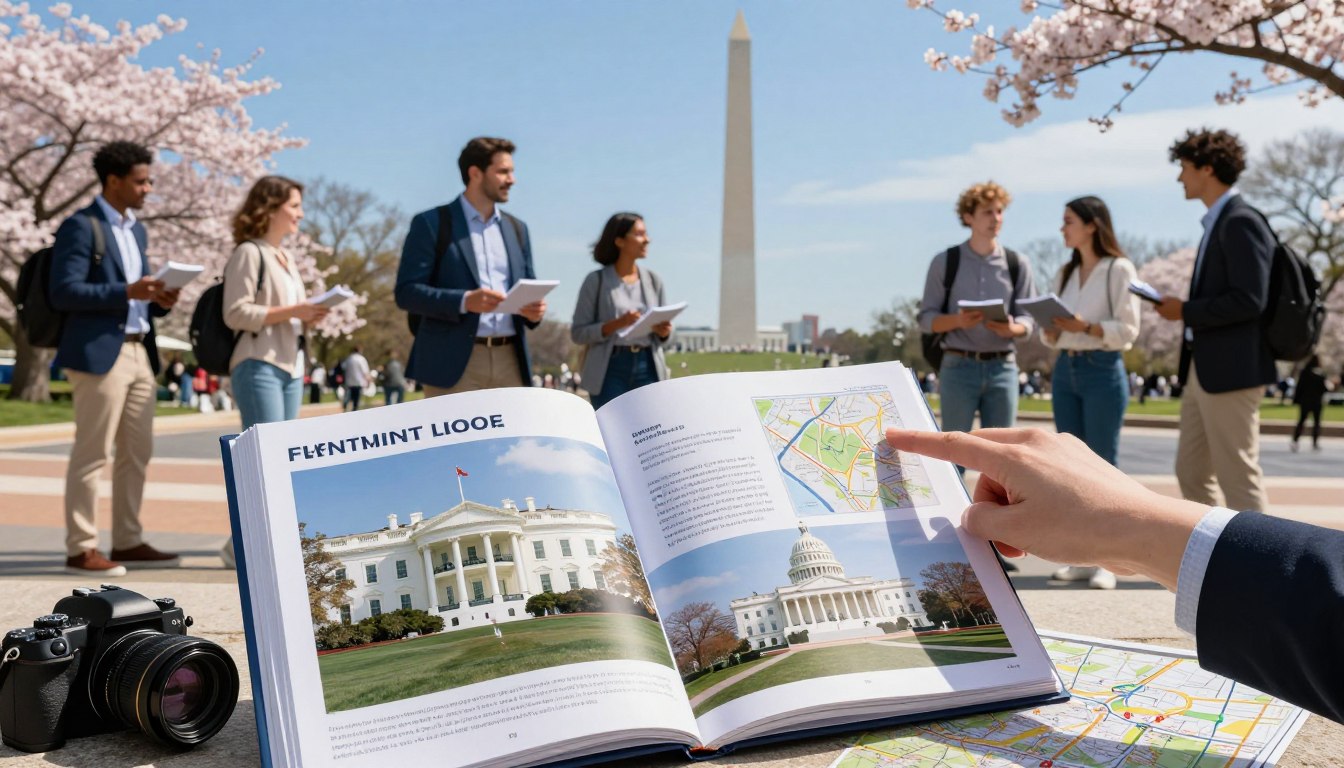
You are about to embark on an incredible journey to the heart of American democracy. This vibrant city offers a unique mix of grand history and modern charm that will capture your heart immediately. From the tall marble monuments to the quiet, tree-lined streets, there is always something new for you to find.
Effective travel planning helps you enjoy the massive variety of free museums and historic sites available. You can spend your morning exploring the halls of power and your afternoon relaxing in a lush green park. Every neighborhood has its own soul, waiting for you to step in and experience the local vibe.
As first-time visitors, you will love the diverse food scene that ranges from classic half-smokes to high-end global cuisine. The local culture is rich and welcoming, making it easy to feel right at home while you explore. It is a place where every sidewalk has a story and every building feels like a piece of living art.
Prepare yourself for an unforgettable adventure through the nation’s capital. Whether you enjoy deep history or trendy art galleries, your trip will be filled with memorable moments. Get ready to see the sights, taste the flavors, and soak in the energy of this iconic destination.
Key Takeaways
- Discover world-famous monuments and iconic national landmarks.
- Enjoy free access to the prestigious Smithsonian museums.
- Explore diverse neighborhoods with a rich and varied food scene.
- Learn about the deep history and cultural heritage of the United States.
- Navigate the city easily using efficient public transportation options.
- Find a perfect balance between political history and modern entertainment.
Why Washington DC Should Be on Your Travel List
With its rich history, diverse culture, and world-class attractions, Washington DC is a destination that should be on every traveler’s bucket list. The city offers a unique blend of historical significance and modern entertainment, making it an appealing destination for a wide range of travelers.
The Nation’s Capital Offers Unmatched Experiences
Washington DC is home to numerous iconic landmarks and cultural institutions that provide unforgettable experiences. You can walk in the footsteps of history at the National Mall, explore the city’s diverse neighborhoods, and enjoy the vibrant atmosphere that permeates the city.
The city’s ability to blend historical significance with modern attractions makes it an ideal destination for families, history buffs, and culture enthusiasts alike. Whether you’re interested in exploring museums, monuments, or cultural events, Washington DC has something for everyone.
Free Admission to World-Class Museums and Monuments
One of the most compelling reasons to visit Washington DC is the free admission to many of its world-class museums and monuments. The Smithsonian Museums, located on the National Mall, offer a wealth of knowledge and cultural experiences without any admission fees.
You can explore the National Museum of American History, the National Air and Space Museum, and other Smithsonian institutions, discovering a vast array of artifacts and exhibits that showcase American history and culture.
A City Rich in Diversity and Culture
Washington DC is a city that celebrates its diversity and cultural richness. From the historic charm of Georgetown to the vibrant cultural scene in Dupont Circle, each neighborhood offers a unique perspective on the city’s cultural landscape.
You can experience the city’s diverse culinary scene, enjoy performances at the Kennedy Center, or explore the many cultural festivals and events that take place throughout the year. Washington DC’s cultural diversity is a testament to its status as a global city.
Best Time to Visit Washington DC
The best time to visit Washington DC depends on your preferences for weather, crowds, and events. Washington DC is a year-round destination, offering unique experiences in every season.
Understanding the characteristics of each season can help you plan your trip to make the most of your visit.
Spring: Cherry Blossom Season (March-April)
Spring is a beautiful time in Washington DC, especially during the cherry blossom season, which typically occurs in late March to early April. The Tidal Basin and surrounding areas are filled with blooming cherry blossoms, creating a picturesque landscape.
“The cherry blossoms are a symbol of friendship between the United States and Japan, and their blooming is celebrated with great enthusiasm in Washington DC.”
During this time, the National Park Service hosts the National Cherry Blossom Festival, which includes various events and activities.

Summer: Peak Tourist Season with Festivals
Summer is peak tourist season in Washington DC, with warm weather and long days. The city hosts numerous festivals and events, such as the Smithsonian Folklife Festival and the Fourth of July Celebration on the National Mall.
| Event | Date | Location |
|---|---|---|
| Smithsonian Folklife Festival | Early July | National Mall |
| Fourth of July Celebration | July 4th | National Mall |
Fall: Pleasant Weather and Fewer Crowds
Fall is another excellent time to visit Washington DC, with pleasant weather and fewer crowds compared to the summer months. The National Cherry Blossom Festival’s second phase sometimes extends into the fall, but generally, the season is characterized by comfortable temperatures and beautiful foliage.
Winter: Holiday Decorations and Indoor Attractions
Winter in Washington DC is marked by holiday decorations and a range of indoor attractions. The city is beautifully lit up during the holiday season, and visitors can enjoy ice skating at the National Gallery of Art’s Sculpture Garden Ice Rink or explore the many museums and galleries.
Overall, the best time to visit Washington DC is subjective and depends on your interests and what you want to experience.
How Long You Should Stay in Washington DC
With so many landmarks, museums, and neighborhoods to explore, deciding on the perfect duration for your Washington DC trip is essential.
The ideal length of stay in Washington DC largely depends on your travel interests and the depth of experience you desire. Whether you’re looking to glance over the main attractions or dive deep into the city’s culture and history, planning your itinerary is key.
The Ideal 3-4 Day Itinerary
A 3-4 day stay in Washington DC allows you to visit the main attractions without feeling rushed. You can explore the National Mall, visit iconic monuments like the Lincoln Memorial and the Washington Monument, and spend a day delving into the rich history at the Smithsonian Museums.
- Day 1: Explore the National Mall and its monuments.
- Day 2: Visit the Smithsonian Museums.
- Day 3: Discover the charm of Georgetown and enjoy the city’s food scene.
- Day 4 (optional): Take a day trip to nearby attractions like Mount Vernon or Annapolis.
What You Can See in a Weekend
If you’re limited to a weekend, prioritize the must-see attractions. Start early to make the most of your time. Consider visiting the National Mall, the U.S. Capitol Building, and at least one of the Smithsonian Museums.
Top weekend activities include:
- Visiting the Lincoln Memorial and Reflecting Pool.
- Exploring the National Museum of American History.
- Enjoying the evening atmosphere at the Kennedy Center.

Week-Long Stays for Deep Exploration
For those with a week or more, Washington DC reveals its full charm. You can explore the city’s diverse neighborhoods, enjoy the local cuisine, and visit less crowded attractions.
Consider:
- Exploring the historic charm of Capitol Hill and its Eastern Market.
- Discovering the cultural scene in Dupont Circle.
- Visiting the National Gallery of Art and other lesser-known museums.
By planning your stay according to your interests, you can ensure a fulfilling experience in Washington DC.
Getting to and Around the Nation’s Capital
Navigating Washington DC is easier than you think, with a range of transportation options at your fingertips. Whether you’re arriving by air, train, or car, or need to get around the city, Washington DC has a comprehensive transportation network to suit your needs.
Arriving by Air: Reagan National, Dulles, and BWI
Washington DC is served by three major airports: Reagan National, Dulles International, and Baltimore-Washington International (BWI). Reagan National Airport is the closest to downtown DC, making it a convenient option for those who want to get to the city quickly. Dulles International Airport, on the other hand, is a major hub for international flights and is connected to the city via the Silver Line metro. BWI is another option, especially for those traveling from within the US.
| Airport | Distance from Downtown DC | Transportation Options |
|---|---|---|
| Reagan National | 3 miles | Metro (Yellow and Green Lines), Taxi, Rideshare |
| Dulles International | 26 miles | Silver Line Metro, Taxi, Rideshare, Shuttle Services |
| BWI | 30 miles | Train (Amtrak/MARC), Taxi, Rideshare, Shuttle Services |
Train Travel via Union Station
Union Station is a major transportation hub in Washington DC, serving as a terminal for Amtrak and MARC trains. It’s conveniently located near the Capitol Building and is a short metro ride from many downtown attractions. You can easily travel to Union Station from various parts of the country by train, making it a comfortable and scenic option.
Using the Metro System
The Washington Metro is an efficient way to get around the city. With six lines (Red, Orange, Blue, Silver, Yellow, and Green), it covers a wide area, including many popular attractions. You can purchase a SmarTrip card for easy travel on buses and trains.

When to Use Rideshares and Taxis
Rideshares and taxis are readily available in Washington DC, especially in areas with high foot traffic like downtown and near major attractions. They’re a good option when you’re traveling with a group or have a lot of luggage. However, be aware that traffic in DC can be heavy, especially during rush hour.
Walking and Biking Through the City
Washington DC is a very walkable city, with many attractions within a reasonable walking distance of each other. The city also has a bike-sharing program, Capital Bikeshare, which allows you to rent bikes for short periods. This is a great way to see the sights while getting some exercise.
Understanding DC Neighborhoods for Your Washington DC Travel Guide
To truly experience Washington DC, you need to explore its unique neighborhoods. Each neighborhood offers a distinct flavor of the city, from historic charm to cultural vibrancy.
The National Mall: The Heart of Monument and Museum Country
The National Mall is the most iconic part of Washington DC, hosting many of the city’s most famous landmarks and museums. It’s a must-visit for anyone interested in history, politics, or culture. You can spend hours exploring the Lincoln Memorial, World War II Memorial, and the numerous Smithsonian museums.
Georgetown: Historic Charm and Upscale Dining
Georgetown is one of DC’s oldest and most historic neighborhoods, known for its cobblestone streets, boutique shops, and upscale dining options. You can enjoy a leisurely stroll along the Chesapeake and Ohio Canal, visit the iconic Georgetown Waterfront, or dine at one of the many fine restaurants.

Capitol Hill: Political Hub and Eastern Market
Capitol Hill is not just the seat of the US government; it’s also a vibrant neighborhood with a rich history. You can visit the US Capitol Building, explore the historic homes, and enjoy the bustling Eastern Market, which offers local goods and cuisine.
Dupont Circle: Cultural Scene and Nightlife
Dupont Circle is known for its cultural attractions and lively nightlife. The neighborhood is home to numerous embassies, making it a cosmopolitan hub. You can visit the Dupont Circle Fountain, explore the nearby Phillips Collection, or enjoy dinner and drinks in one of the many international restaurants and bars.
Adams Morgan: International Flavor and Entertainment
Adams Morgan is a melting pot of cultures, known for its international cuisine, nightlife, and entertainment. You can enjoy dinner at one of the many ethnic restaurants, visit the Adams Morgan Heritage Trail, or experience the lively nightlife on 18th Street NW.
| Neighborhood | Main Attractions | Dining Options |
|---|---|---|
| The National Mall | Lincoln Memorial, World War II Memorial, Smithsonian Museums | Cafes, Food Trucks |
| Georgetown | Georgetown Waterfront, Chesapeake and Ohio Canal | Upscale Restaurants, Seafood |
| Capitol Hill | US Capitol Building, Eastern Market | Local Eateries, Bakeries |
| Dupont Circle | Dupont Circle Fountain, Phillips Collection | International Cuisine, Bars |
| Adams Morgan | Adams Morgan Heritage Trail, 18th Street NW | Ethnic Restaurants, Nightlife |
Exploring the Iconic National Monuments
Your visit to Washington DC won’t be complete without experiencing the grandeur of its iconic national monuments. These landmarks are not only breathtaking in their architecture but also hold significant historical and cultural value, making them a must-visit for anyone traveling to the nation’s capital.
The Lincoln Memorial and Reflecting Pool
The Lincoln Memorial, dedicated to the 16th President of the United States, Abraham Lincoln, is one of the most iconic landmarks in Washington DC. The memorial is surrounded by the serene Reflecting Pool, offering a picturesque view, especially during sunrise or sunset. Visitors can also explore the inscriptions of Lincoln’s famous speeches on the walls, a poignant reminder of his legacy.

Washington Monument: Book Your Timed Entry
The Washington Monument stands tall as a tribute to George Washington, the first President of the United States. To avoid long wait times, it’s advisable to book a timed entry ticket in advance. The monument offers panoramic views of the city from its observation deck, providing a unique perspective on the layout and beauty of Washington DC.
The U.S. Capitol Building Tours
The U.S. Capitol Building is not only the seat of the U.S. Congress but also an architectural marvel. Guided tours are available, offering insights into the history and significance of the building. Visitors can explore the historic chambers, the National Statuary Hall, and the impressive Rotunda.
The White House: Exterior Views and Tour Requests
While the White House is primarily known for being the residence and workplace of the President of the United States, it also offers tours for those who plan ahead. Requests for tours must be made through one’s Member of Congress, and spots fill up quickly. Even if you can’t get a tour, viewing the White House from the outside is still a must, especially during the holiday season when it’s beautifully decorated.
Martin Luther King Jr. Memorial
Dedicated to the civil rights leader, the Martin Luther King Jr. Memorial is a significant site that honors his legacy. The memorial features quotes from his speeches and sermons, encapsulating his message of hope and equality. It’s a place for reflection and a reminder of the progress made towards a more just society.
Vietnam Veterans Memorial and Korean War Veterans Memorial
The Vietnam Veterans Memorial and the Korean War Veterans Memorial are poignant tributes to the men and women who served in these conflicts. The Vietnam Veterans Memorial, with its black granite wall inscribed with the names of those who served, is a powerful symbol of remembrance. The Korean War Veterans Memorial, featuring statues of soldiers, represents the harsh conditions faced during the war.
| Monument/Memorial | Location | Special Notes |
|---|---|---|
| Lincoln Memorial | National Mall | Open 24 hours; Reflecting Pool nearby |
| Washington Monument | National Mall | Timed entry tickets recommended |
| U.S. Capitol Building | Capitol Hill | Guided tours available |
| The White House | Pennsylvania Avenue | Tour requests through Member of Congress |
| Martin Luther King Jr. Memorial | West Potomac Park | Includes quotes from his speeches |
| Vietnam Veterans Memorial | National Mall | Names of those who served inscribed |
| Korean War Veterans Memorial | National Mall | Statues depicting soldiers |
Discovering History at the Smithsonian Museums
Discover the wealth of historical knowledge and cultural richness at the Smithsonian Museums in the heart of Washington DC. The Smithsonian Institution is a group of museums and research centers that offer a deep dive into various aspects of history, science, and culture.
The Smithsonian Museums are an integral part of the Washington DC experience, providing insights into the nation’s past and present. With their vast collections and exhibitions, they are a must-visit destination for anyone interested in history, science, or culture.
National Museum of American History
The National Museum of American History is one of the most popular Smithsonian Museums, attracting millions of visitors each year. It houses a vast collection of artifacts that tell the story of America’s history, from the First Ladies’ Inaugural Gowns to American Enterprise, which explores the history of business and innovation in America.
Some of the museum’s most iconic exhibits include the original Star-Spangled Banner, the First Ladies’ Inaugural Gowns, and artifacts from popular culture, such as Dorothy’s ruby slippers from “The Wizard of Oz.”
National Museum of Natural History
The National Museum of Natural History is another gem in the Smithsonian Institution, with a vast collection of natural history specimens and artifacts. The museum is home to more than 145 million natural history specimens and artifacts, including dinosaur fossils, gems, and a vast collection of natural history objects from around the world.
Visitors can explore the museum’s many exhibitions, including the Butterfly Pavilion, the Human Origins exhibit, and the Q?rius exhibit, which allows visitors to become scientists for the day.
National Air and Space Museum
The National Air and Space Museum is a must-visit for anyone interested in aviation and space exploration. The museum houses historic aircraft and spacecraft, including the Wright Brothers’ Flyer, the Spirit of St. Louis, and the Apollo 11 command module Columbia.
Visitors can also explore the many interactive exhibits, including flight simulators and a planetarium.
National Museum of African American History and Culture: Reserve Timed Passes
The National Museum of African American History and Culture is a relatively new addition to the Smithsonian Institution, opened in 2016. The museum is dedicated to the history, culture, and contributions of African Americans, with a vast collection of artifacts, artworks, and historical objects.
Due to its popularity, the museum requires timed-entry passes, which can be reserved in advance. Visitors are advised to plan their visit carefully and allow plenty of time to explore the museum’s many exhibitions.
Tips for Navigating the Smithsonian Museums
To make the most of your visit to the Smithsonian Museums, it’s a good idea to plan ahead. Here are a few tips:
- Check the museum’s website for opening hours and exhibition schedules.
- Consider visiting during off-peak hours to avoid crowds.
- Take advantage of the museum’s guided tours and interactive exhibits.
- Be sure to reserve timed-entry passes for popular museums like the National Museum of African American History and Culture.
By following these tips, you can ensure a enjoyable and enriching experience at the Smithsonian Museums.
Experiencing DC’s Cultural Attractions Beyond the Mall
Beyond the iconic National Mall, Washington DC offers a plethora of cultural attractions that are waiting to be explored. While the National Mall is home to many of the city’s most famous landmarks, there are numerous other cultural gems scattered throughout the city that are worth discovering.
The Kennedy Center for Performing Arts
The Kennedy Center is a world-renowned performing arts center that hosts a wide range of productions, from theater and dance to music and opera. With multiple theaters and performance venues, there’s always something new to experience. You can enjoy a night out at the theater, take a guided tour of the center, or simply stroll along the Potomac River on its scenic walkways.
National Gallery of Art
The National Gallery of Art is another cultural highlight of Washington DC. With a collection that spans from the Middle Ages to the present, the gallery features works by artists such as da Vinci, Rembrandt, and Picasso. The museum’s West Building and East Building are connected by a beautiful garden, making it a pleasant destination to spend an afternoon.
Library of Congress: America’s Oldest Federal Cultural Institution
The Library of Congress is not only the oldest federal cultural institution in the United States but also one of the largest libraries in the world. With a vast collection of books, manuscripts, and other materials, the library is a treasure trove for researchers and history buffs. You can explore its stunning Great Hall, attend a lecture or concert, or simply visit the exhibitions on display.
Ford’s Theatre and Petersen House
For a glimpse into the city’s rich history, visit Ford’s Theatre and the Petersen House. Ford’s Theatre is where President Abraham Lincoln was assassinated in 1865, and it now serves as a museum and working theater. The Petersen House, across the street, is where Lincoln was taken after the shooting and is also open to visitors.
Neighborhood Street Art and Murals
Washington DC is also home to a vibrant street art scene, with murals and graffiti adorning buildings throughout the city. Neighborhoods like Adams Morgan and Columbia Heights are particularly known for their colorful street art, which reflects the diversity and creativity of the community. Take a self-guided tour to discover these hidden gems and experience the city’s urban culture.
Where to Eat: DC’s Diverse Food Scene
As you explore the nation’s capital, you’ll discover that Washington DC’s food scene is a melting pot of flavors and cuisines. The city’s culinary landscape reflects its cultural diversity, offering a wide range of dining options to suit all tastes and preferences.
Historic Eastern Market for Local Flavors
Eastern Market is a historic hub for local flavors, offering a variety of fresh produce, baked goods, and handmade crafts. You can sample local specialties, such as Ben’s Chili Bowl’s famous chili dogs, and enjoy the vibrant atmosphere.
The market is open every weekend, featuring over 150 local vendors. It’s a great place to pick up unique souvenirs and experience the local culture.
Ethiopian Cuisine in Adams Morgan and Shaw
Adams Morgan and Shaw are neighborhoods known for their international cuisine, particularly Ethiopian food. You can enjoy traditional dishes like injera and wot at one of the many Ethiopian restaurants in the area.
These neighborhoods offer a unique cultural experience, with a blend of African, Asian, and Latin American cuisines.
Georgetown’s Restaurant Row
Georgetown is famous for its upscale dining scene, with a variety of high-end restaurants along its picturesque streets. You can enjoy everything from fine dining to casual eateries, with a focus on seasonal ingredients and creative cuisine.
The neighborhood is also known for its historic charm, with cobblestone streets and beautiful architecture.
The Wharf: Waterfront Dining and Seafood
The Wharf is a waterfront development that offers a range of dining options, from casual seafood restaurants to upscale eateries. You can enjoy fresh seafood, waterfront views, and a lively atmosphere.
The Wharf is also a great place to enjoy outdoor activities, such as kayaking or paddleboarding.
Ben’s Chili Bowl: A DC Institution
Ben’s Chili Bowl is a Washington DC institution, serving classic American comfort food since 1958. You can enjoy their famous chili dogs, burgers, and milkshakes in a lively atmosphere.
The restaurant has been a staple of the DC food scene for generations, with a loyal following among locals and visitors alike.
Food Halls: Union Market and Central Food Hall
Washington DC is home to several food halls, including Union Market and Central Food Hall. These vibrant spaces offer a variety of food vendors, from artisanal bakeries to gourmet cheese shops.
You can sample a range of cuisines, from traditional American to international flavors, in a lively and dynamic atmosphere.
Experiencing DC’s Food Culture and Culinary History
As you explore Washington DC, you’ll discover a rich food culture that reflects the city’s diverse heritage. The city’s culinary history is a fascinating blend of traditional American cuisine and international flavors, shaped by its global connections and cultural diversity.
Half-Smoke: The Official DC Sausage
One of the city’s culinary icons is the half-smoke, a sausage that’s half-smoked and half-grilled. You can find half-smokes at many local eateries, including Ben’s Chili Bowl, a DC institution since 1958. This beloved sausage is often served with chili, onions, and cheese, making it a must-try when visiting the city.
Mumbo Sauce: The Local Condiment
Mumbo sauce is another local favorite that adds flavor to the city’s culinary landscape. This sweet and tangy condiment is used on everything from half-smokes to fried chicken. You can find Mumbo sauce at local restaurants and even purchase it as a souvenir to take home.
International Dining Reflecting Global Embassies
Washington DC is home to numerous embassies, and the city’s dining scene reflects this global influence. You can find authentic international cuisine in neighborhoods like Adams Morgan, where Ethiopian, Vietnamese, and other global flavors await. The city’s international dining options make it a culinary melting pot.
Farm-to-Table Movement in the District
The farm-to-table movement has taken root in Washington DC, with many restaurants sourcing ingredients from local farms. This emphasis on fresh, locally sourced produce enhances the city’s dining experience and supports the local agricultural community.
Food Tours to Sample Neighborhood Specialties
To experience the full range of Washington DC’s food culture, consider taking a food tour. These guided tours allow you to sample neighborhood specialties, from half-smokes to artisanal chocolates. You’ll gain insight into the city’s culinary history and discover hidden gems along the way.
| Food Tour | Neighborhood | Specialties |
|---|---|---|
| DC Food Tours | Georgetown | Historic eateries, waterfront dining |
| Taste of DC Tours | Adams Morgan | International cuisine, nightlife |
| Ben’s Chili Bowl Tours | U Street Corridor | Half-smokes, soul food |
Practical Tips for First-Time Visitors
First-time visitors to Washington DC should be aware of several practical tips to ensure a smooth and enjoyable trip. As you prepare for your visit, understanding the city’s unique aspects will help you navigate its many attractions and experiences.
Security Protocols at Government Buildings
Security is a top priority in Washington DC, particularly at government buildings and monuments. You should be prepared for security checks, similar to those at airports, when visiting places like the U.S. Capitol, the White House, and various Smithsonian museums.
To make your visit as smooth as possible, consider arriving early to avoid long lines, and be prepared to show valid photo identification and pass through security screening.
Free vs. Paid Attractions: Budgeting Your Trip
Washington DC offers a mix of free and paid attractions. While many of its museums and monuments are free, some special exhibitions or events may require a fee.
To budget effectively, prioritize the attractions that are most important to you and research any associated costs. Consider purchasing a Washington DC Explorer Pass for access to multiple attractions at a discounted rate.
| Attraction | Cost | Tips |
|---|---|---|
| National Mall Monuments | Free | Open 24/7, but some facilities may have limited hours |
| Smithsonian Museums | Free | Some special exhibitions may require a fee |
| U.S. Capitol Tour | Free | Book in advance through the Capitol Visitor Center |
Booking Advance Reservations for Popular Sites
Some of Washington DC’s most popular attractions require or highly recommend advance reservations. This includes the U.S. Capitol, the White House Visitor Center (for tours), and certain Smithsonian museums.
Booking in advance can save you time and ensure that you can visit the places on your itinerary. Use official government websites or authorized ticket vendors to make your reservations.
What to Pack for Different Seasons
The weather in Washington DC can vary significantly from season to season. In the spring, pack layers for mild temperatures and potential rain showers. Summer requires sun protection and light, breathable clothing.
Autumn brings comfortable temperatures, but be prepared for cooler mornings and evenings. Winters can be cold, so dress warmly and consider indoor attractions if you’re sensitive to cold.
Staying Safe in Washington DC
Like any major city, Washington DC has its share of crime. Stay safe by being aware of your surroundings, especially at night, and avoiding walking alone in dimly lit or deserted areas.
Use reputable transportation services, and keep your valuables secure. Stay informed about local conditions through government travel advisories and local news.
By following these practical tips, you can have a more enjoyable and stress-free visit to Washington DC. Being prepared and informed will allow you to focus on the history, culture, and beauty that the city has to offer.
Conclusion
As you plan your trip to Washington DC, you’ll find that the city’s rich history, cultural attractions, and iconic landmarks make it a memorable destination. With this Washington DC travel guide, you’re now equipped with the knowledge to navigate the city’s best experiences, from the National Mall to the Smithsonian Museums.
A well-planned trip will allow you to explore the city’s diverse neighborhoods, enjoy its culinary delights, and take in the world-class attractions. Whether you’re interested in history, culture, or entertainment, Washington DC has something for everyone, making it an ideal travel destination.
This travel summary highlights the key points to ensure a enjoyable and stress-free trip. By following this guide, you’ll be able to make the most of your time in Washington DC and create lasting memories of your visit.




Leave a Reply